A Rail Review of Comfort, Convenience, and Time Parity
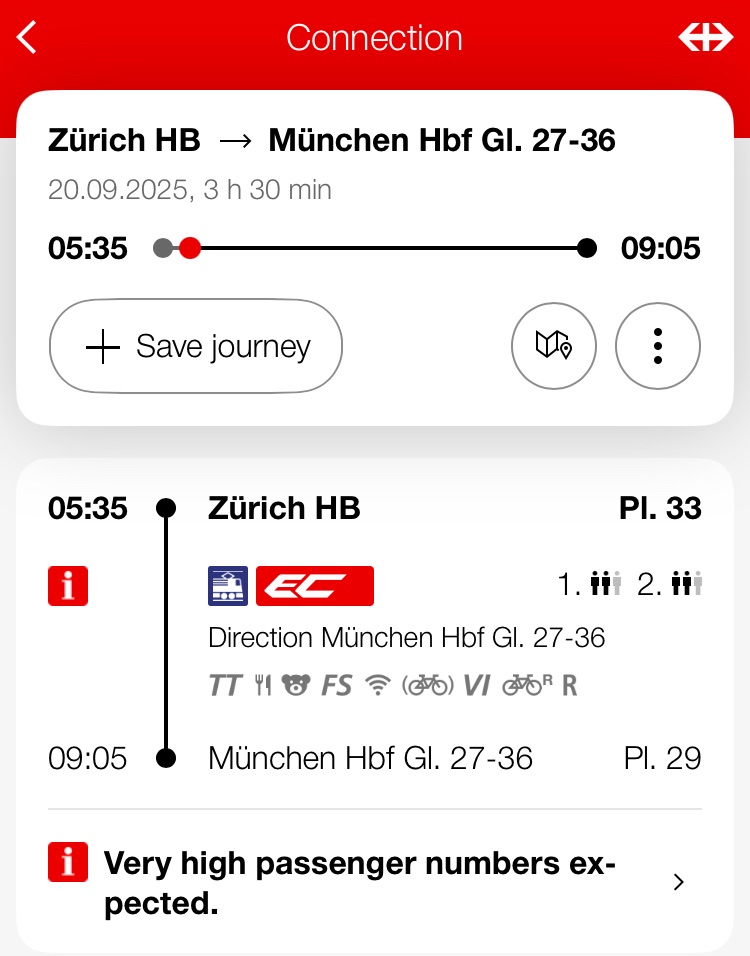
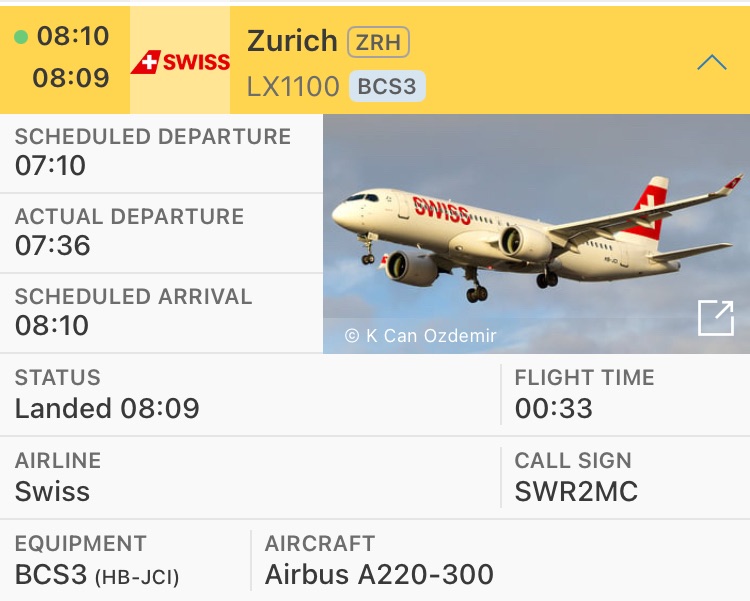
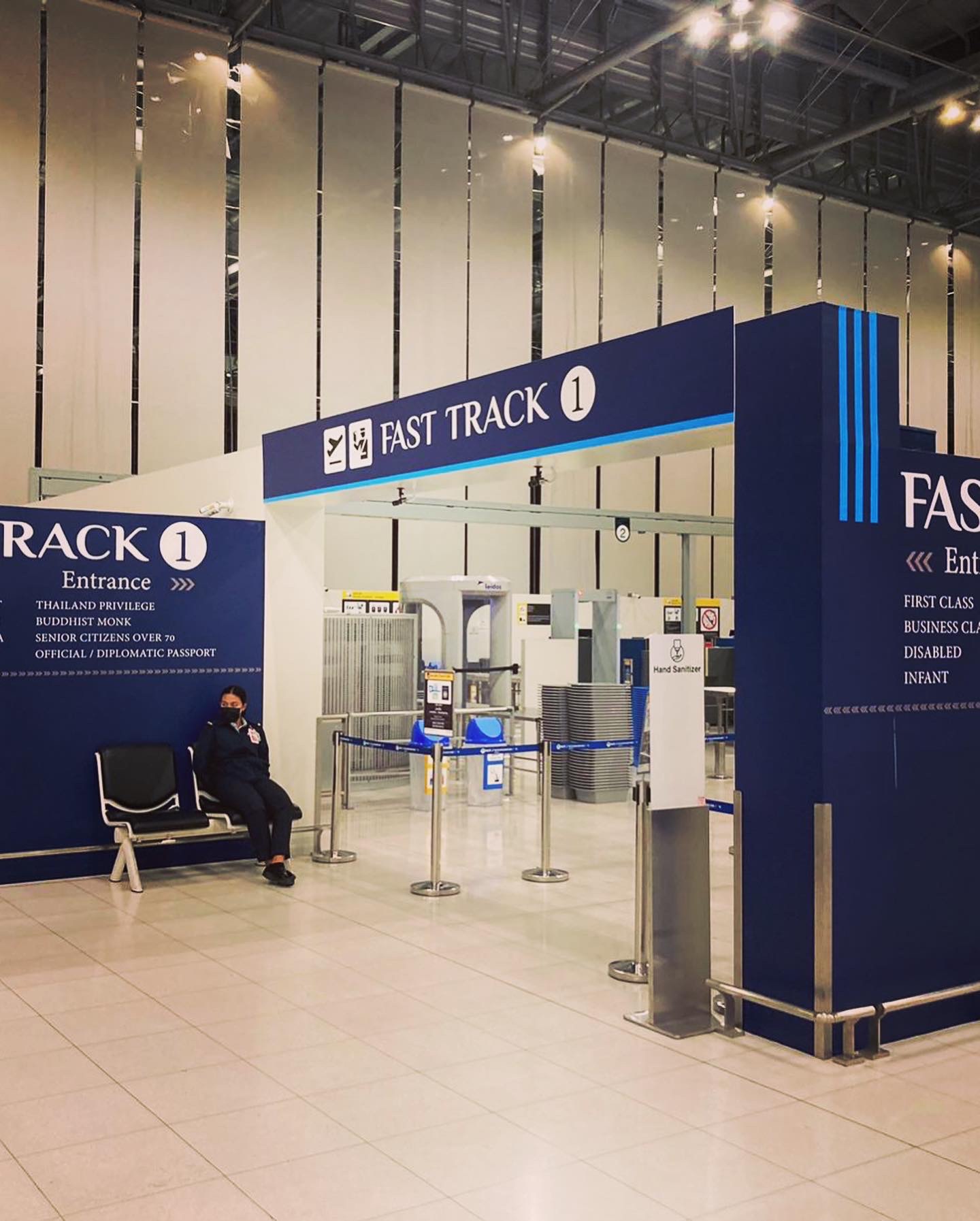
In this practical comparison, I put two popular options head-to-head on the Zurich–Munich corridor to see which truly serves travelers best. The test was straightforward: a direct, downtown-to-downtown train ride versus a short-haul flight. The result is a nuanced verdict. The train delivers clear advantages in comfort and ease—no security lines, no long baggage queues, and a seamless start-to-finish experience that begins and ends in the city centers. The plane, for its part, matches the train on total travel time end-to-end, thanks to efficient flight times and quick turnaround in this particular route. The surprising takeaway is that “speed” and “stress” can diverge: both options take about the same amount of time overall, but the train shaves off airport hassles and gives a calmer journey from door to door.
Verdict
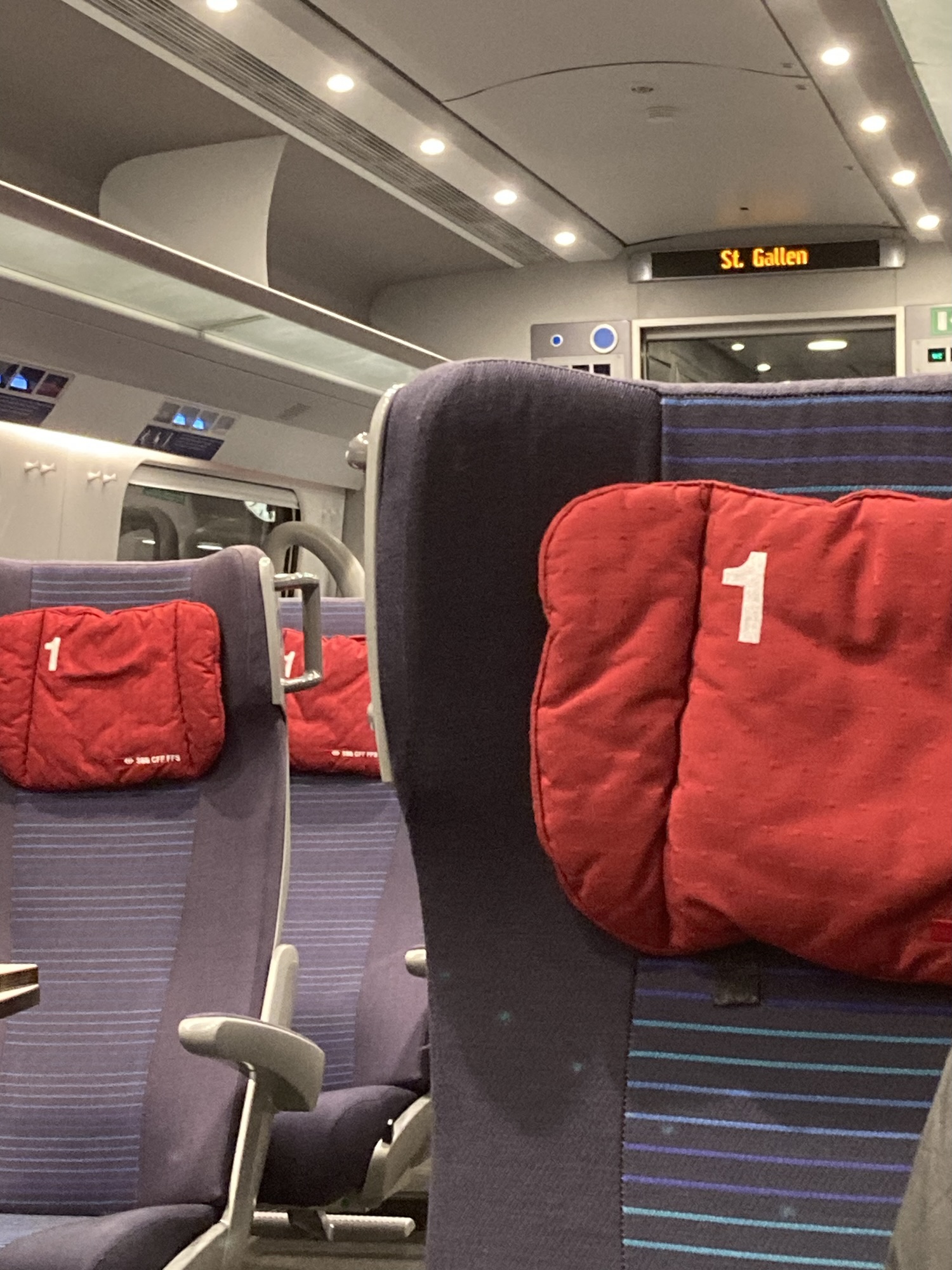
Winner: the train, for comfort and city-center convenience. If you prize an stress-free, predictable trip with no airport procedures, the Zurich–Munich train line lands a clear edge. For those counting the minutes and okay with airport security, the flight keeps pace—but it’s the ease of the train that makes the difference in everyday travel.
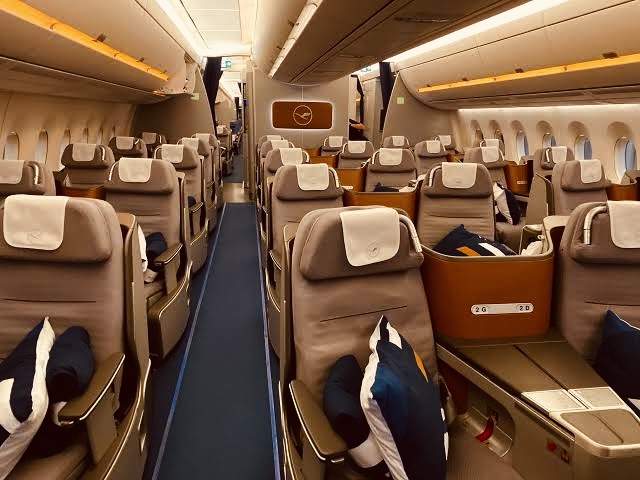
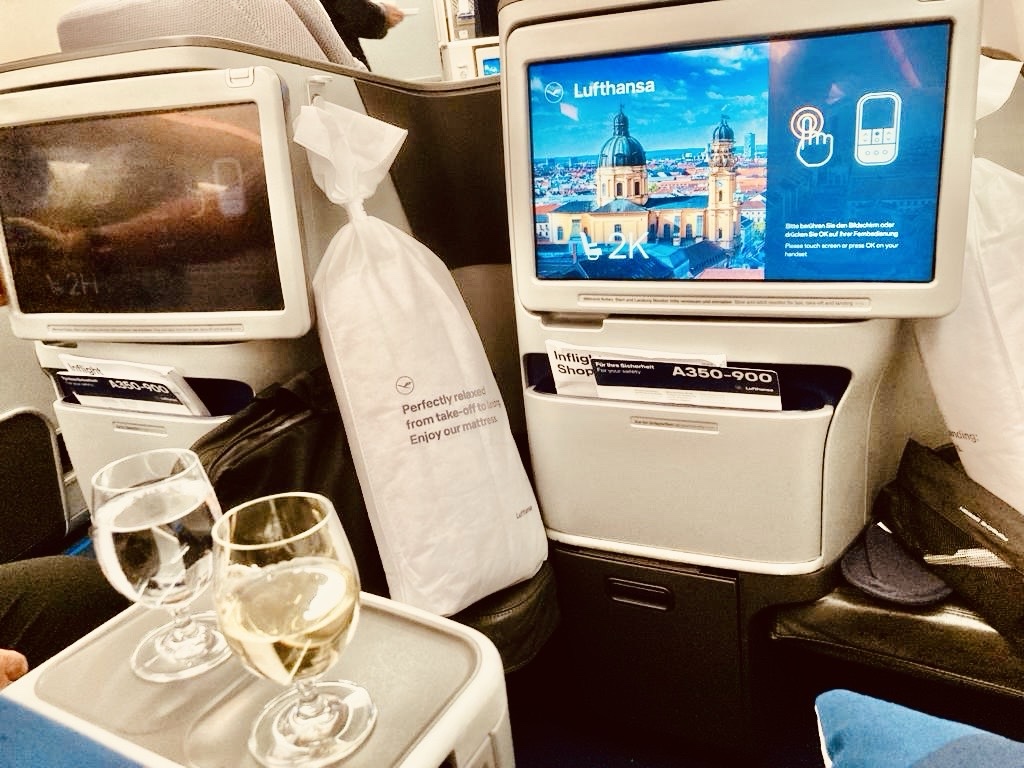
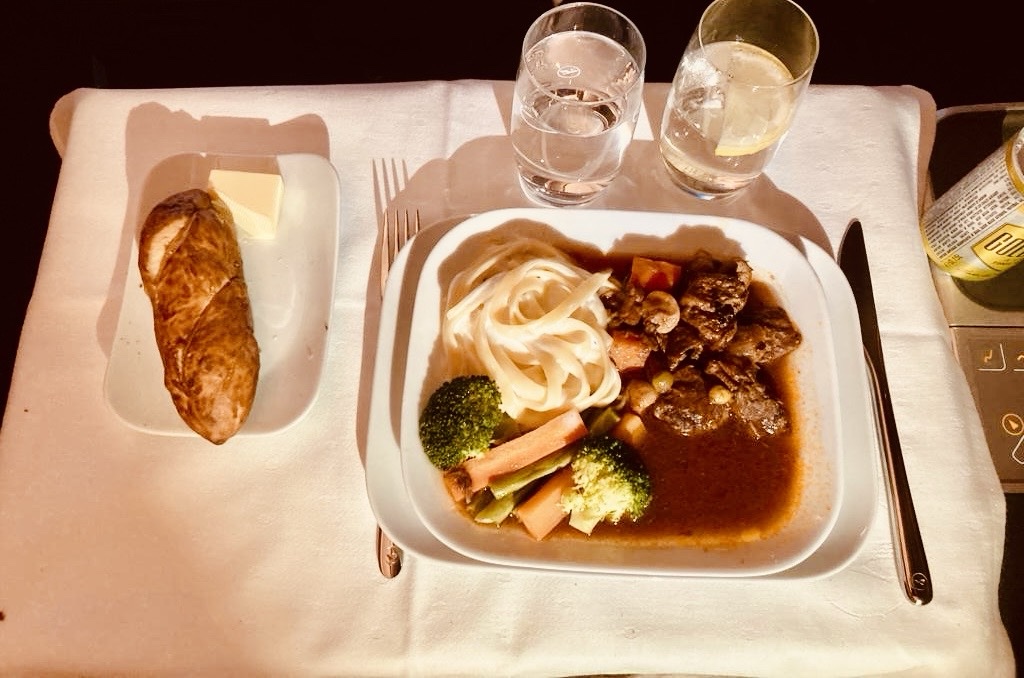
FARES: Air Ticket for my particular travel day was CHF 328.– one way and I bought a saver ticket a week before for the train in 1st class which was CHF 78.–
Let’s break down the CO2 footprint for traveling from Zurich to Munich by train and plane. The distance between the two cities is approximately 240-300 kilometers (150-185 miles), depending on the specific route, with trains covering about 241 km (150 miles) and planes flying a slightly shorter direct path of around 260 km (162 miles). Exact emissions depend on factors like train type, plane model, passenger load, and energy sources, but I’ll provide solid estimates based on typical data.
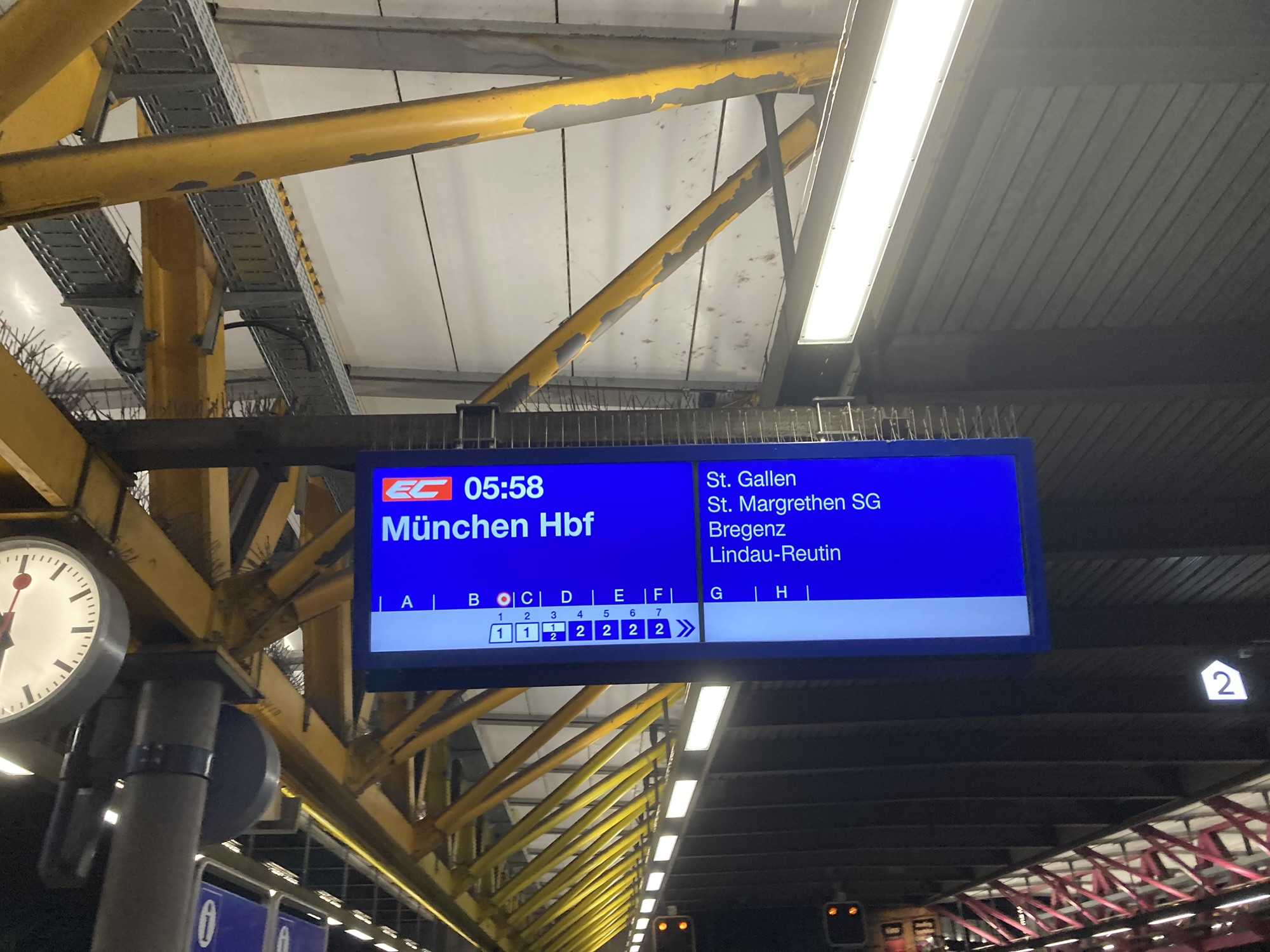
For the train, the journey from Zurich Hauptbahnhof (HB) to Munich Hauptbahnhof (Hbf) takes about 3.5-4 hours on a direct EuroCity or high-speed train. Modern electric trains in Europe, like those operated by Deutsche Bahn or Swiss Federal Railways (SBB), are highly efficient and often powered by a mix of renewable and conventional energy. In Switzerland and Germany, the rail network increasingly uses hydropower, wind, and other low-carbon sources. A good average for CO2 emissions on European trains is around 20-40 grams per passenger-kilometer. For a 241 km trip, that works out to roughly 5-10 kg of CO2 per passenger. If the train runs on 100% renewable energy (as some DB or SBB services do), it could be even lower—closer to 5 kg or less.
For the plane, the flight from Zurich Airport (ZRH) to Munich Airport (MUC) is short, about 55 minutes, covering roughly 260 km. However, planes burn a lot of fuel during takeoff and landing, making short flights less efficient per kilometer than longer ones. A typical estimate for short-haul flights is 100-150 grams of CO2 per passenger-kilometer, accounting for economy class and average load factors. For 260 km, that’s 26-39 kg of CO2 per passenger. But this doesn’t include the full climate impact—planes also emit water vapor and other greenhouse gases at high altitudes, which can double or triple the warming effect (often called “radiative forcing”). Adjusted for this, the effective footprint could be 50-100 kg of CO2-equivalent.
Now, consider the extras: getting to and from airports adds emissions (e.g., 5-10 kg for car or bus travel), while train stations are central, minimizing this. Planes also require more infrastructure energy (airports, ground ops), pushing their footprint higher.
So, ballpark figures:
- Train: 5-10 kg CO2 per person (possibly less with renewables).
- Plane: 26-39 kg CO2 direct, or 50-100 kg CO2e with full climate impact.
The train’s footprint is a fraction of the plane’s—often 5-10 times lower—making it the clear winner for this short route. Plus, it’s less hassle: no security lines or long check-ins. Data backs this up—studies like Eurostar’s show trains cut emissions by up to 90% compared to flights on similar distances. For Zurich to Munich, that ratio holds strong.
https://www.sbb.ch
https://www.bahn.de
https://www.lufthansa.com



































































































































 SWISSTRAVELMANAGER