RAIL VS AIR: A DOWNTOWN-TO-DOWNTOWN VERDICT, ZURICH – MUNICH

Standard

A Rail Review of Comfort, Convenience, and Time Parity

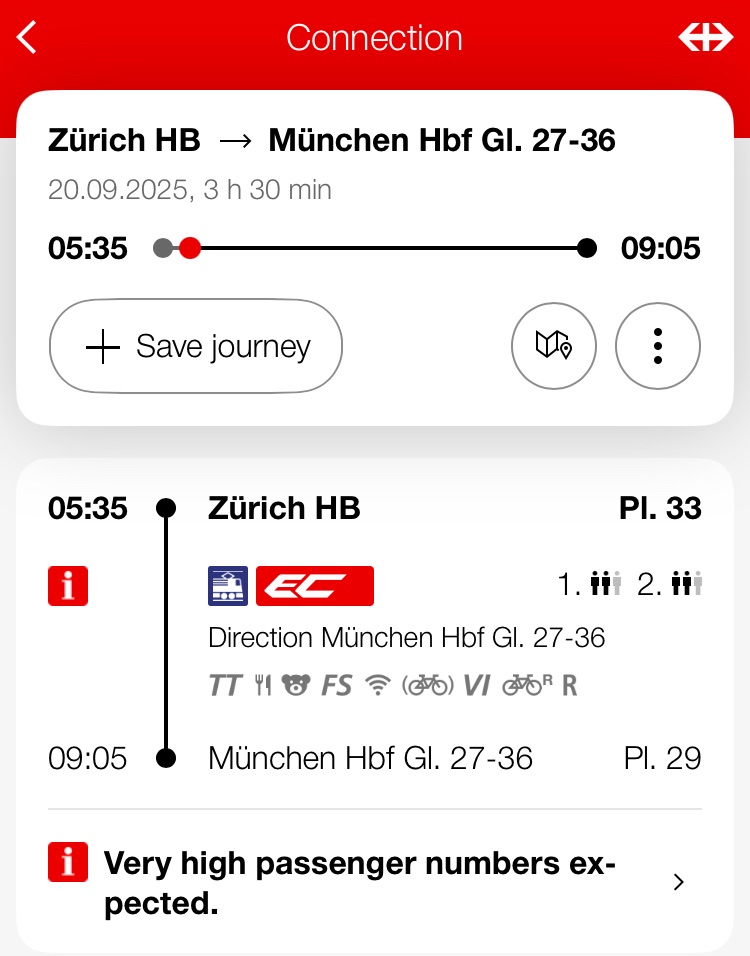
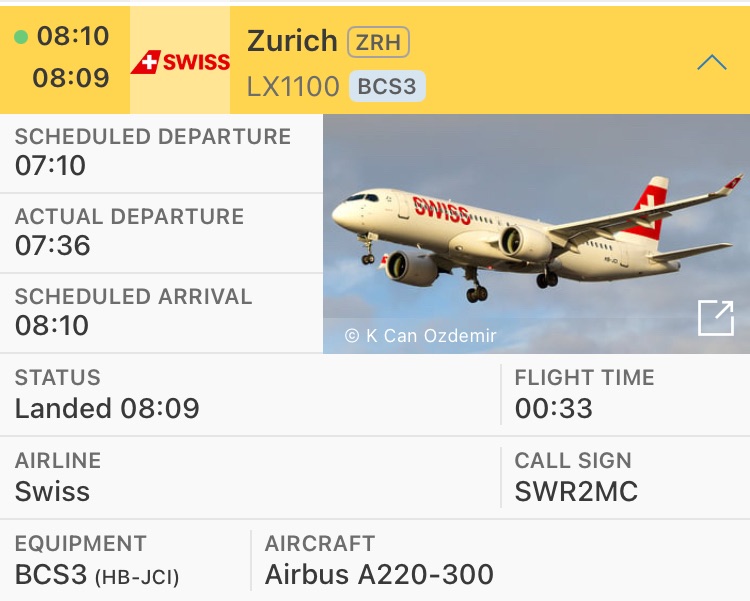
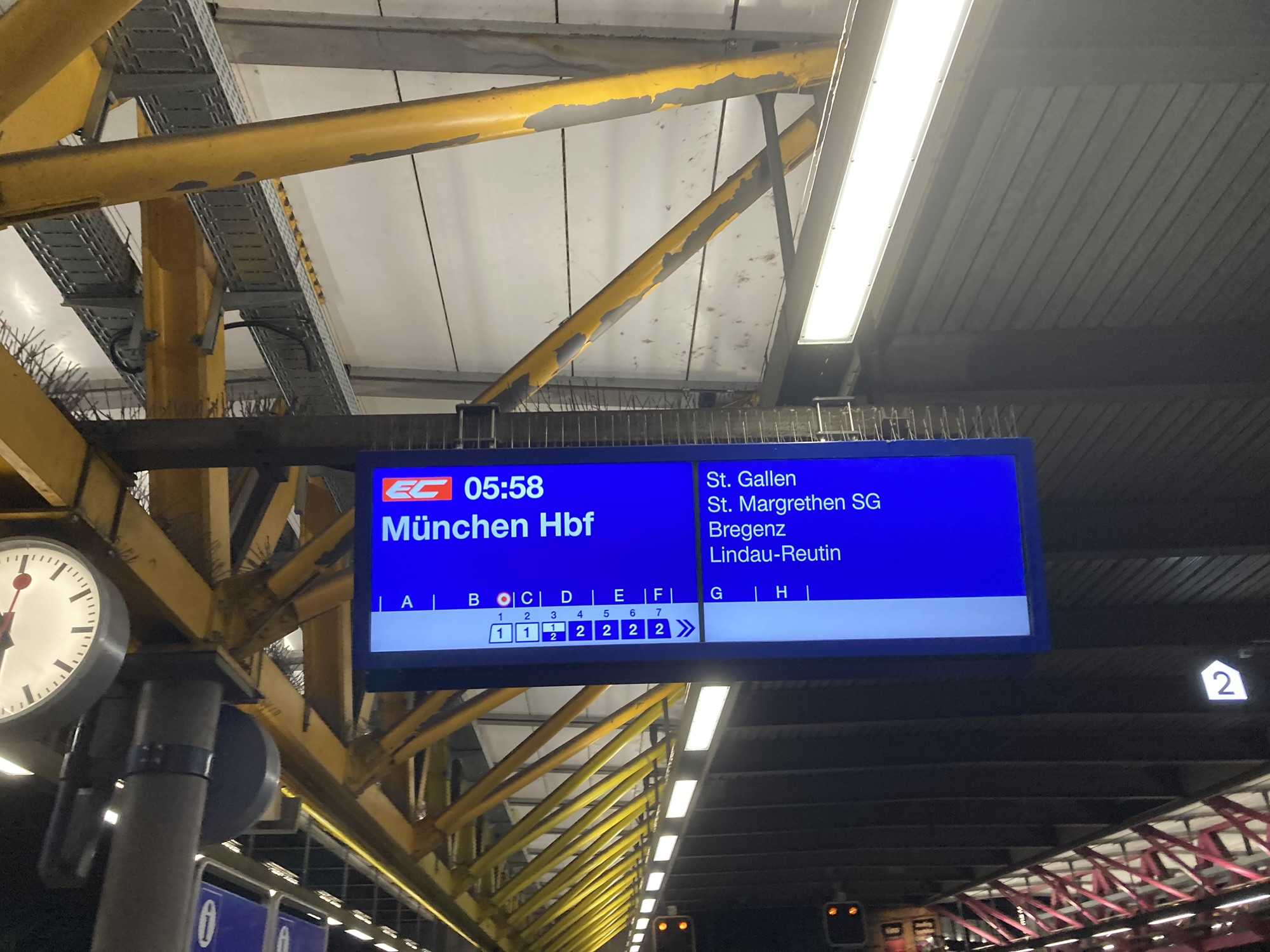
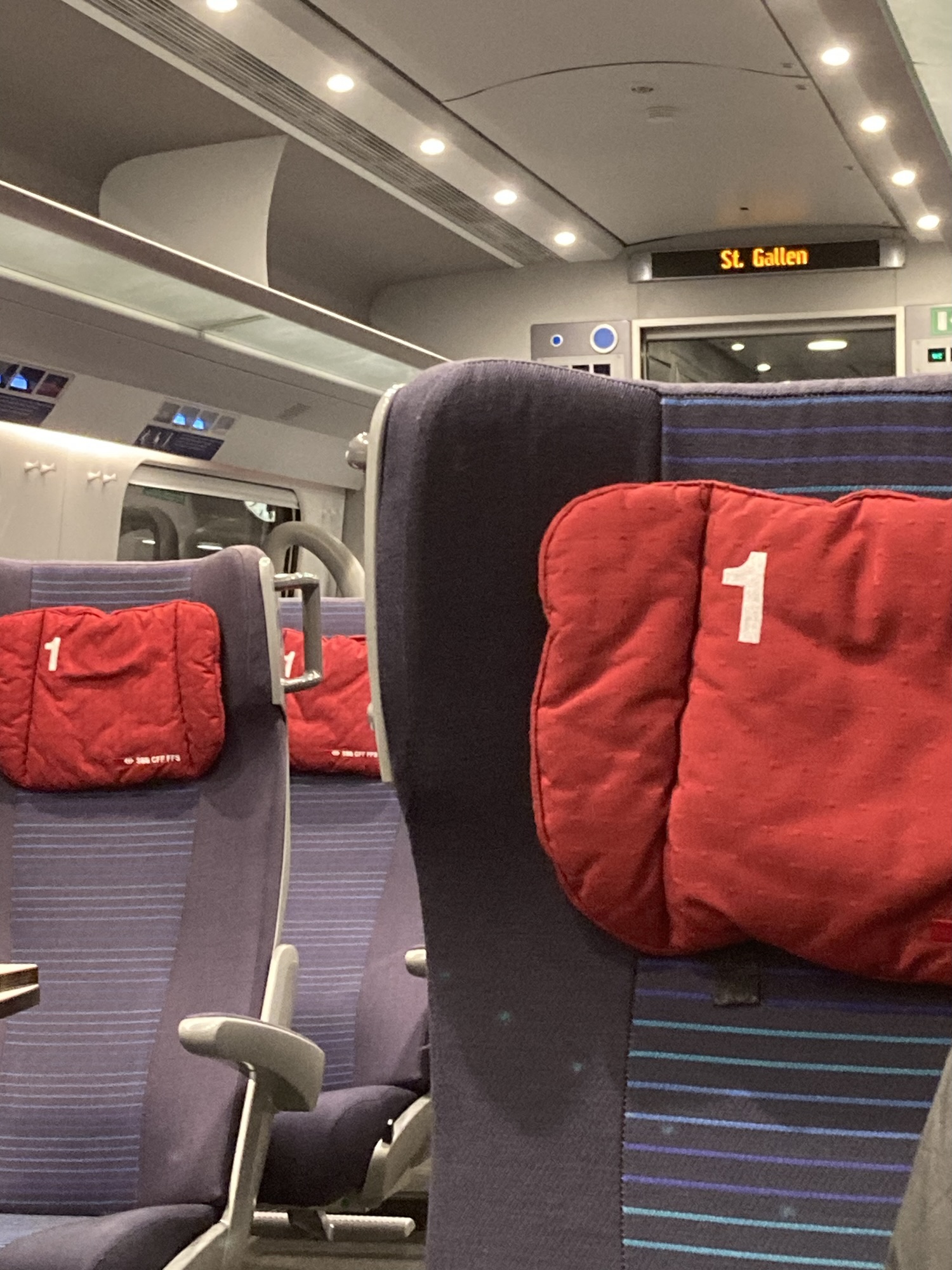
In this practical comparison, I put two popular options head-to-head on the Zurich–Munich corridor to see which truly serves travelers best. The test was straightforward: a direct, downtown-to-downtown train ride versus a short-haul flight. The result is a nuanced verdict. The train delivers clear advantages in comfort and ease—no security lines, no long baggage queues, and a seamless start-to-finish experience that begins and ends in the city centers. The plane, for its part, matches the train on total travel time end-to-end, thanks to efficient flight times and quick turnaround in this particular route. The surprising takeaway is that “speed” and “stress” can diverge: both options take about the same amount of time overall, but the train shaves off airport hassles and gives a calmer journey from door to door.

Verdict 
Winner: the train, for comfort and city-center convenience. If you prize an stress-free, predictable trip with no airport procedures, the Zurich–Munich train line lands a clear edge. For those counting the minutes and okay with airport security, the flight keeps pace—but it’s the ease of the train that makes the difference in everyday travel.

FARES: Air Ticket for my particular travel day was CHF 328.– one way and I bought a saver ticket a week before for the train in 1st class which was CHF 78.–

Let’s break down the CO2 footprint for traveling from Zurich to Munich by train and plane. The distance between the two cities is approximately 240-300 kilometers (150-185 miles), depending on the specific route, with trains covering about 241 km (150 miles) and planes flying a slightly shorter direct path of around 260 km (162 miles). Exact emissions depend on factors like train type, plane model, passenger load, and energy sources, but I’ll provide solid estimates based on typical data.

For the train, the journey from Zurich Hauptbahnhof (HB) to Munich Hauptbahnhof (Hbf) takes about 3.5-4 hours on a direct EuroCity or high-speed train. Modern electric trains in Europe, like those operated by Deutsche Bahn or Swiss Federal Railways (SBB), are highly efficient and often powered by a mix of renewable and conventional energy. In Switzerland and Germany, the rail network increasingly uses hydropower, wind, and other low-carbon sources. A good average for CO2 emissions on European trains is around 20-40 grams per passenger-kilometer. For a 241 km trip, that works out to roughly 5-10 kg of CO2 per passenger. If the train runs on 100% renewable energy (as some DB or SBB services do), it could be even lower—closer to 5 kg or less.

For the plane, the flight from Zurich Airport (ZRH) to Munich Airport (MUC) is short, about 55 minutes, covering roughly 260 km. However, planes burn a lot of fuel during takeoff and landing, making short flights less efficient per kilometer than longer ones. A typical estimate for short-haul flights is 100-150 grams of CO2 per passenger-kilometer, accounting for economy class and average load factors. For 260 km, that’s 26-39 kg of CO2 per passenger. But this doesn’t include the full climate impact—planes also emit water vapor and other greenhouse gases at high altitudes, which can double or triple the warming effect (often called “radiative forcing”). Adjusted for this, the effective footprint could be 50-100 kg of CO2-equivalent.

Now, consider the extras: getting to and from airports adds emissions (e.g., 5-10 kg for car or bus travel), while train stations are central, minimizing this. Planes also require more infrastructure energy (airports, ground ops), pushing their footprint higher.

So, ballpark figures:

  • Train: 5-10 kg CO2 per person (possibly less with renewables).
  • Plane: 26-39 kg CO2 direct, or 50-100 kg CO2e with full climate impact.

The train’s footprint is a fraction of the plane’s—often 5-10 times lower—making it the clear winner for this short route. Plus, it’s less hassle: no security lines or long check-ins. Data backs this up—studies like Eurostar’s show trains cut emissions by up to 90% compared to flights on similar distances. For Zurich to Munich, that ratio holds strong.

https://www.sbb.ch

https://www.bahn.de

https://www.lufthansa.com

AIR INDIA LOUNGE, DELHI AIRPORT, INDIA

Standard

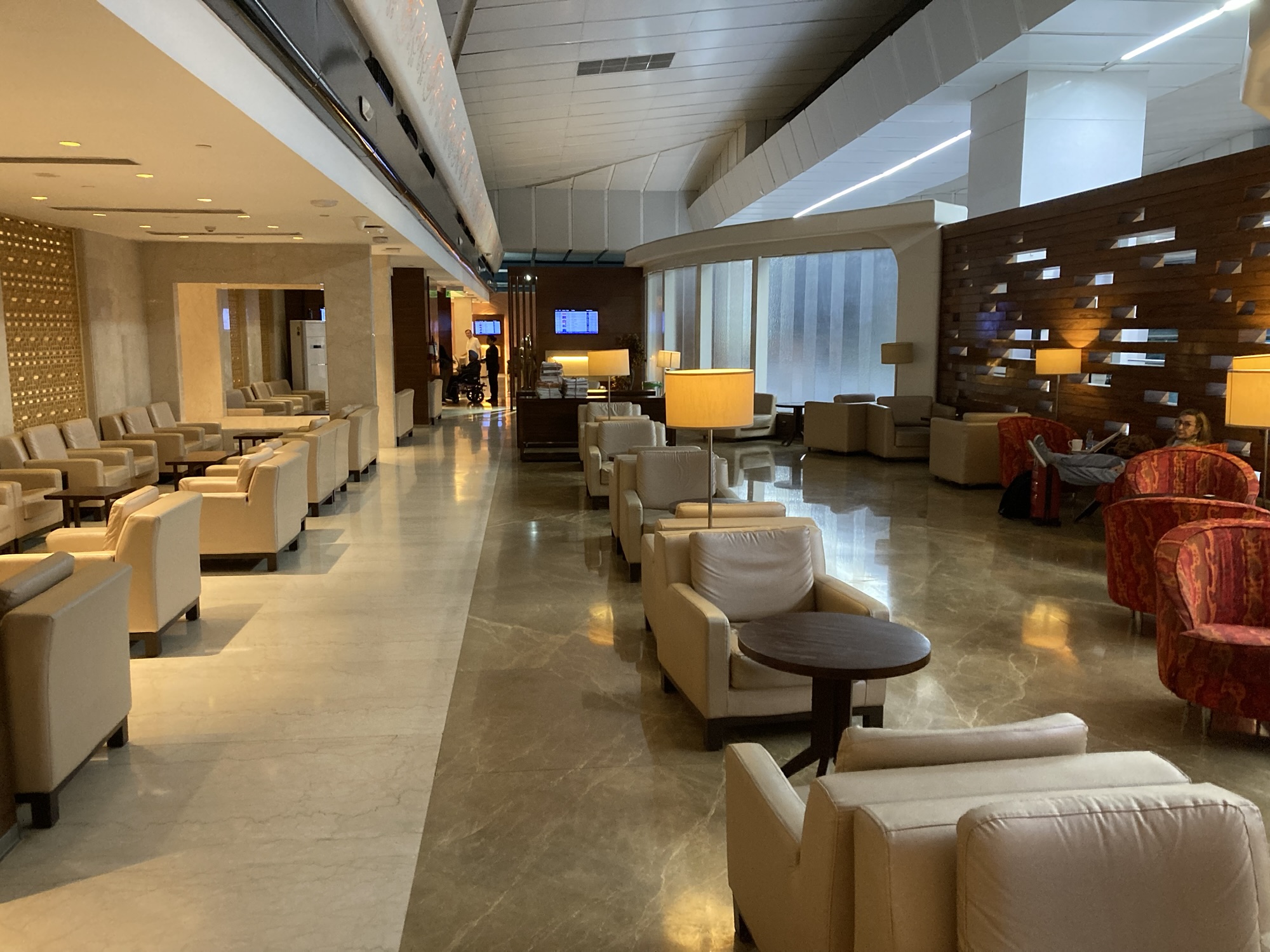
The Air India Lounge is currently the only airline operated lounge at Delhi’s International Terminal 3 where Air India’s Business and First Class passengers; many Star Alliance passengers; and Vistara Airlines passengers can spend time before their flight.

After scanning the boarding pass at the lounge entrance, Wi-fi vouchers are handed out and passengers are directed to the Business Class or First Class section of the lounge.

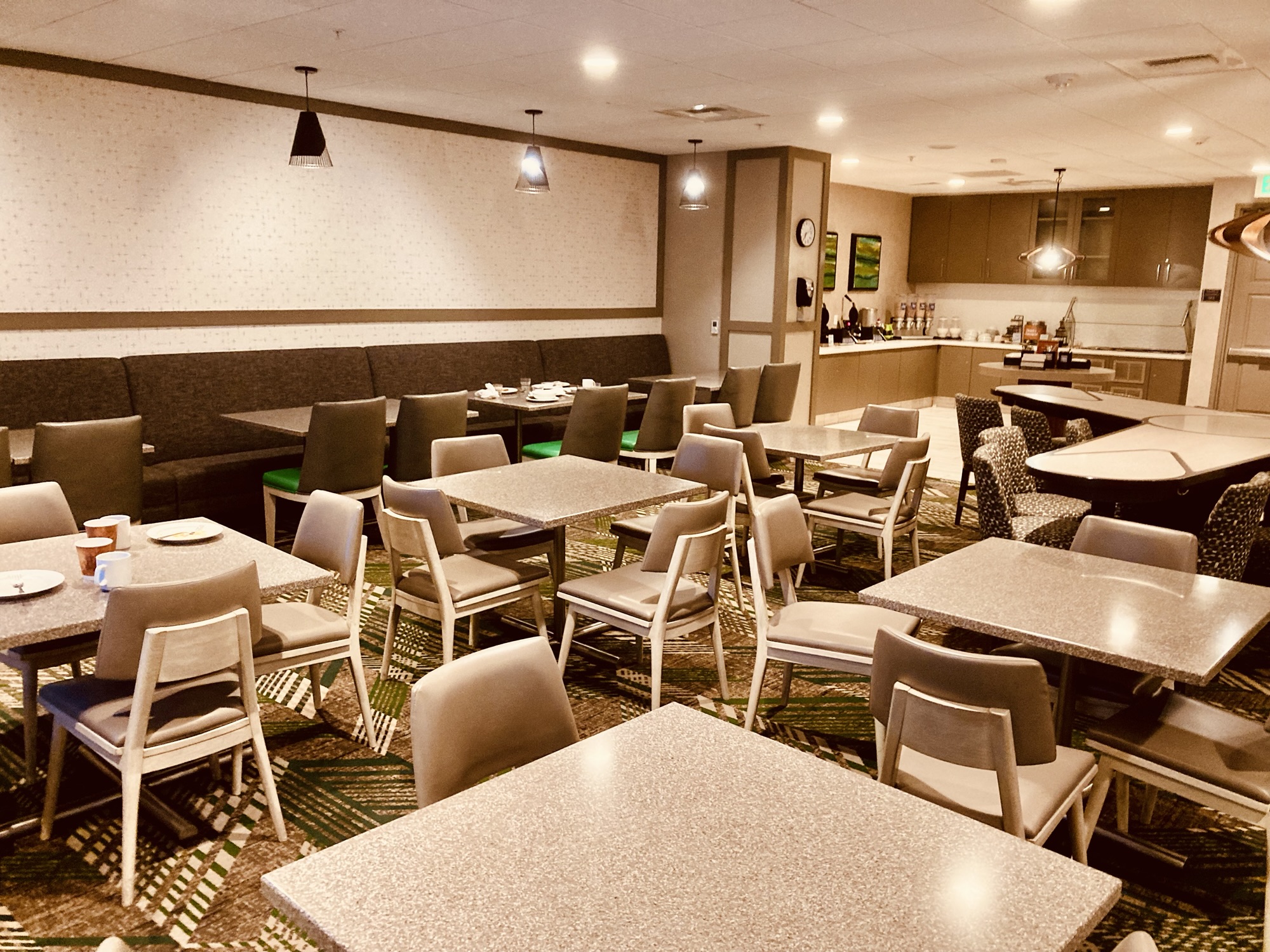
There is a fairly large sitting area with newspapers on display, a small computer work station, and more couches with tables for passenger use.

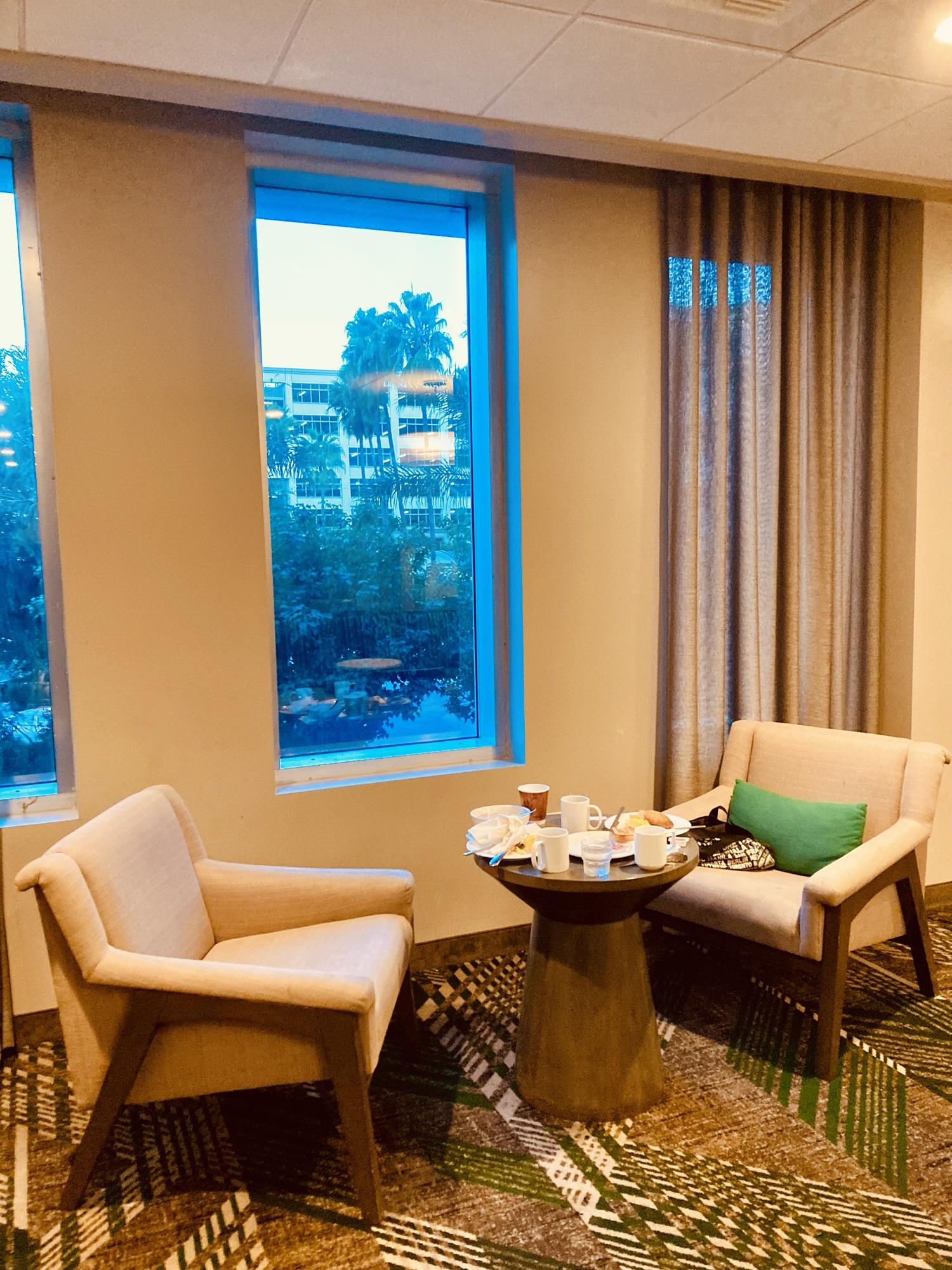
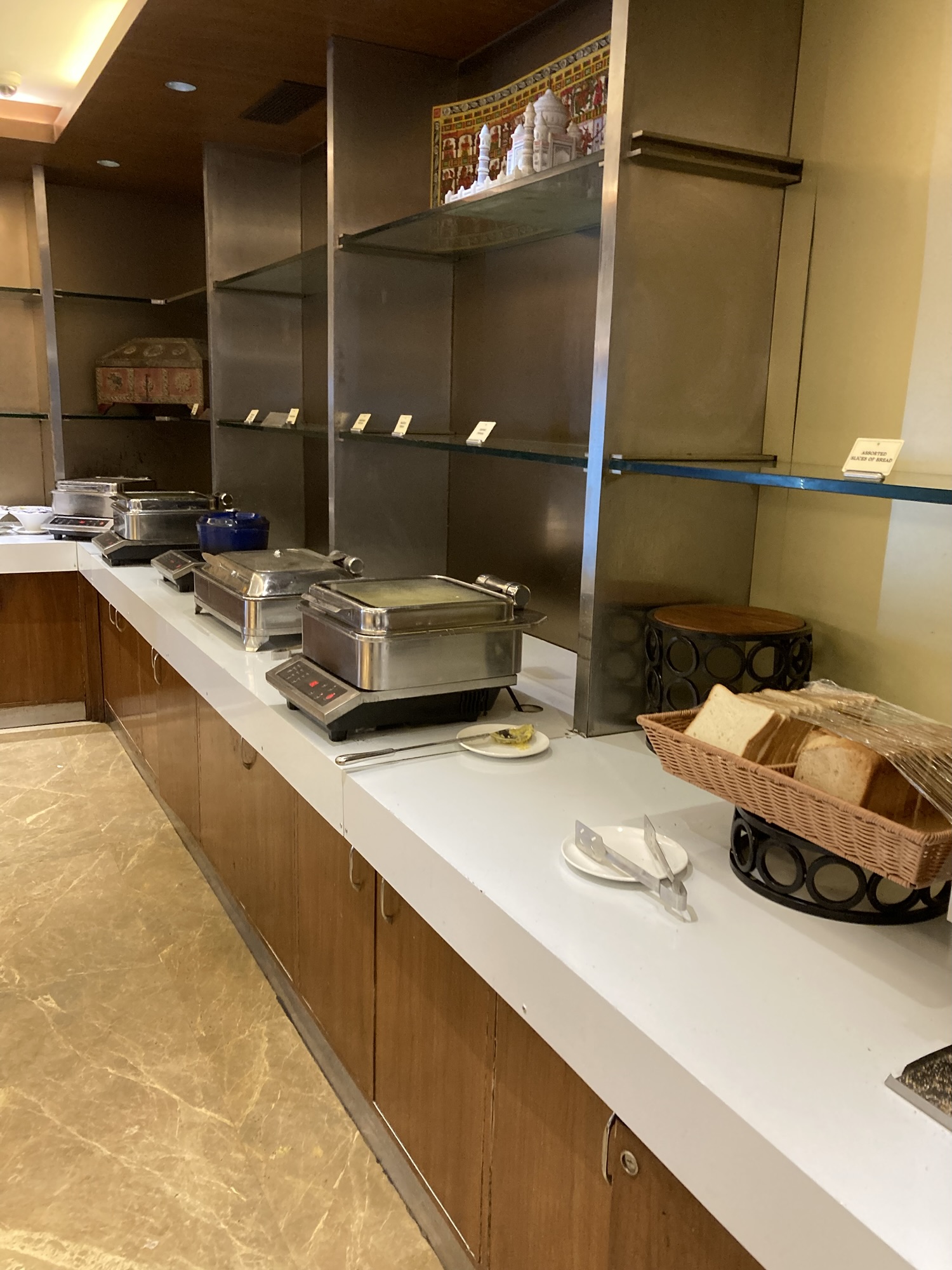
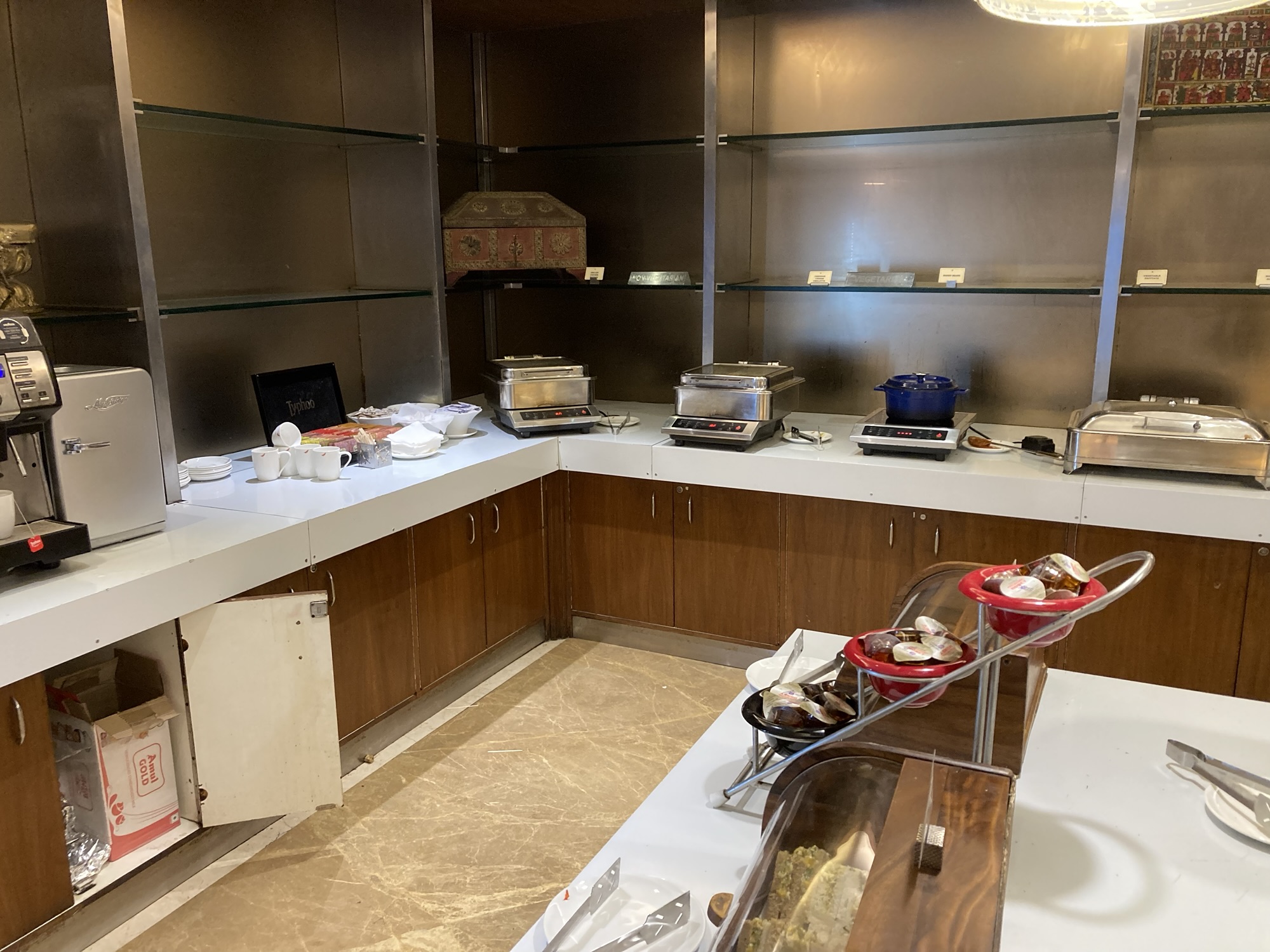
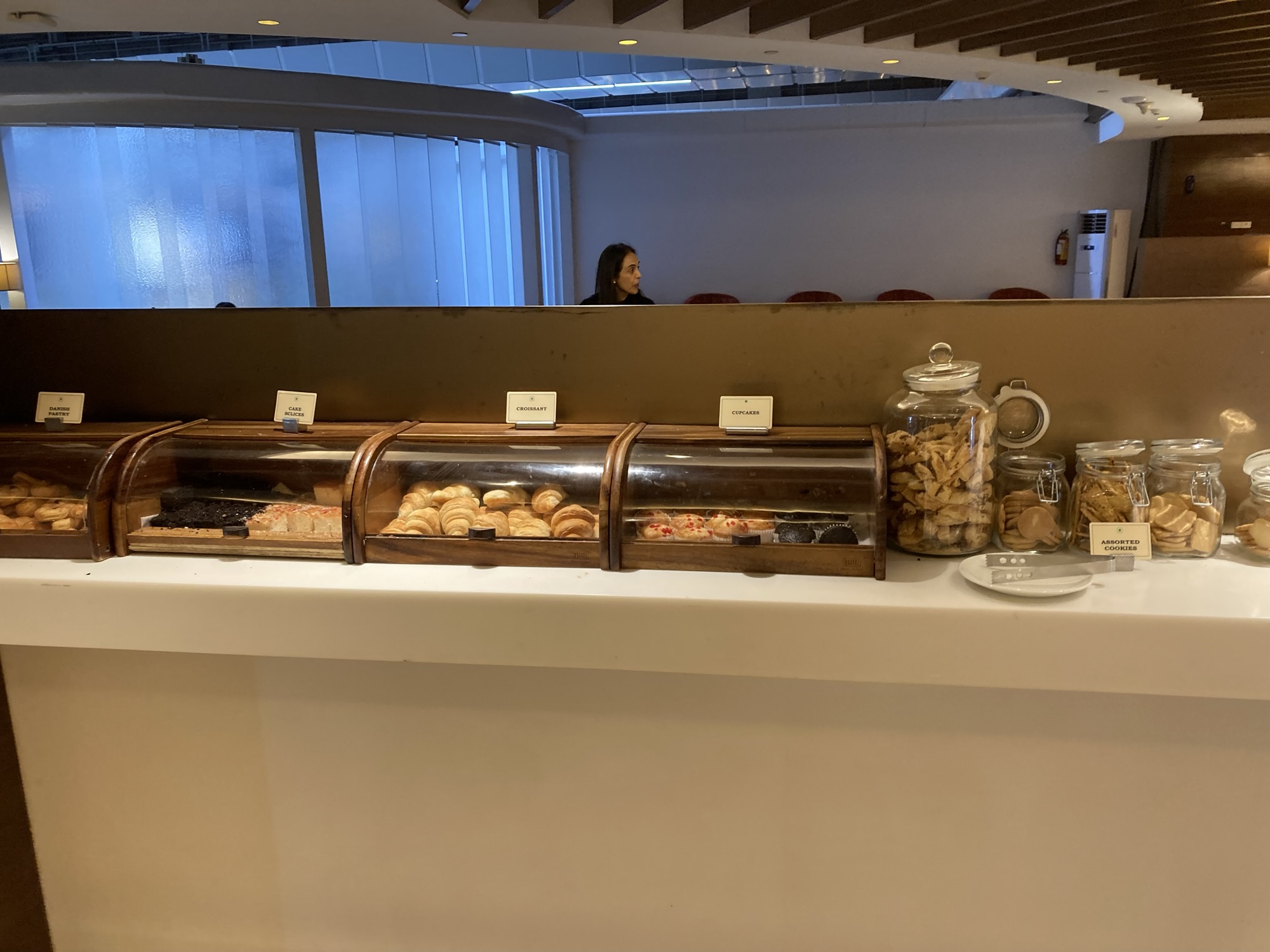
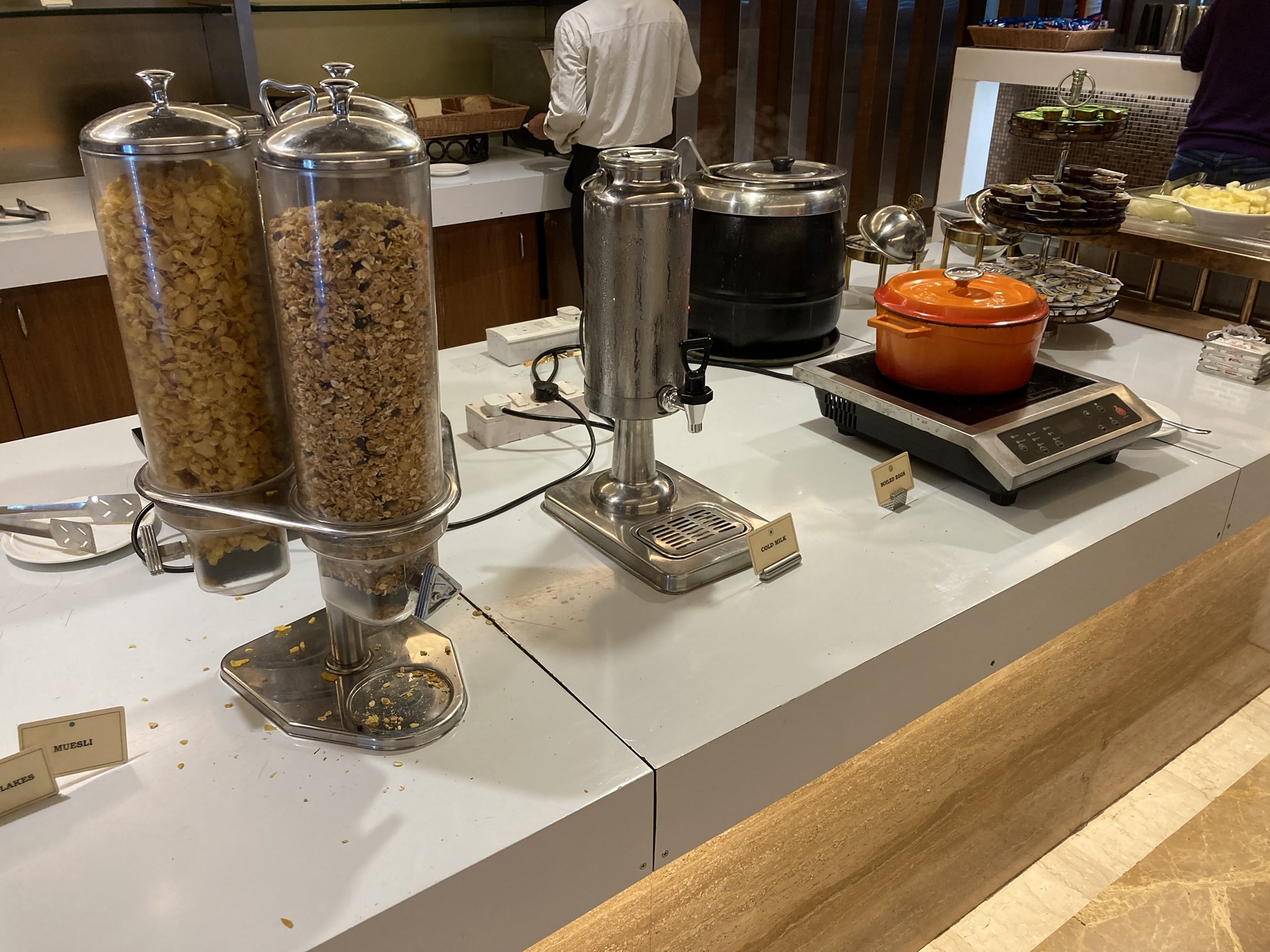
The food section is on the smaller side and the choice is very limited. It was breakfast time but the bakery items did not look fresh or appealing to me, nor did the cold or hot dishes that were on display. This looked like a very sad offering when compared to the breakfast offered at the first class hotel I just checked out of.

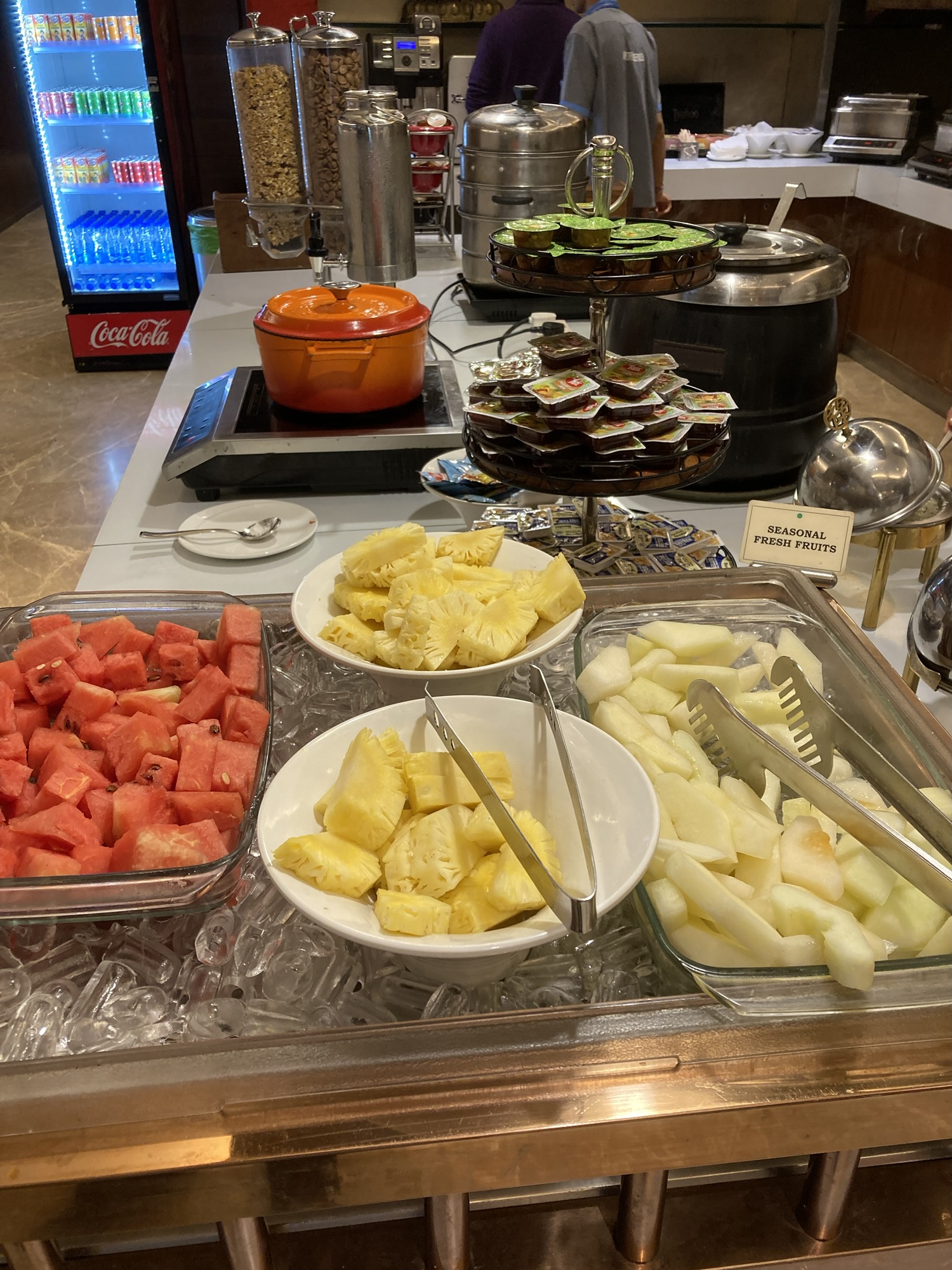
I had a small plate of fresh fruit and then decided to have my coffee at a nearby coffee shop where they serve real Espresso and fresh bakery items to accompany it.

As a Tata Group company, I hope Air India will soon embark upon an urgently needed upgrade to the Air India Lounge in Delhi International Airport.

https://www.airindia.com
AIR VISTARA, INDIA

Standard

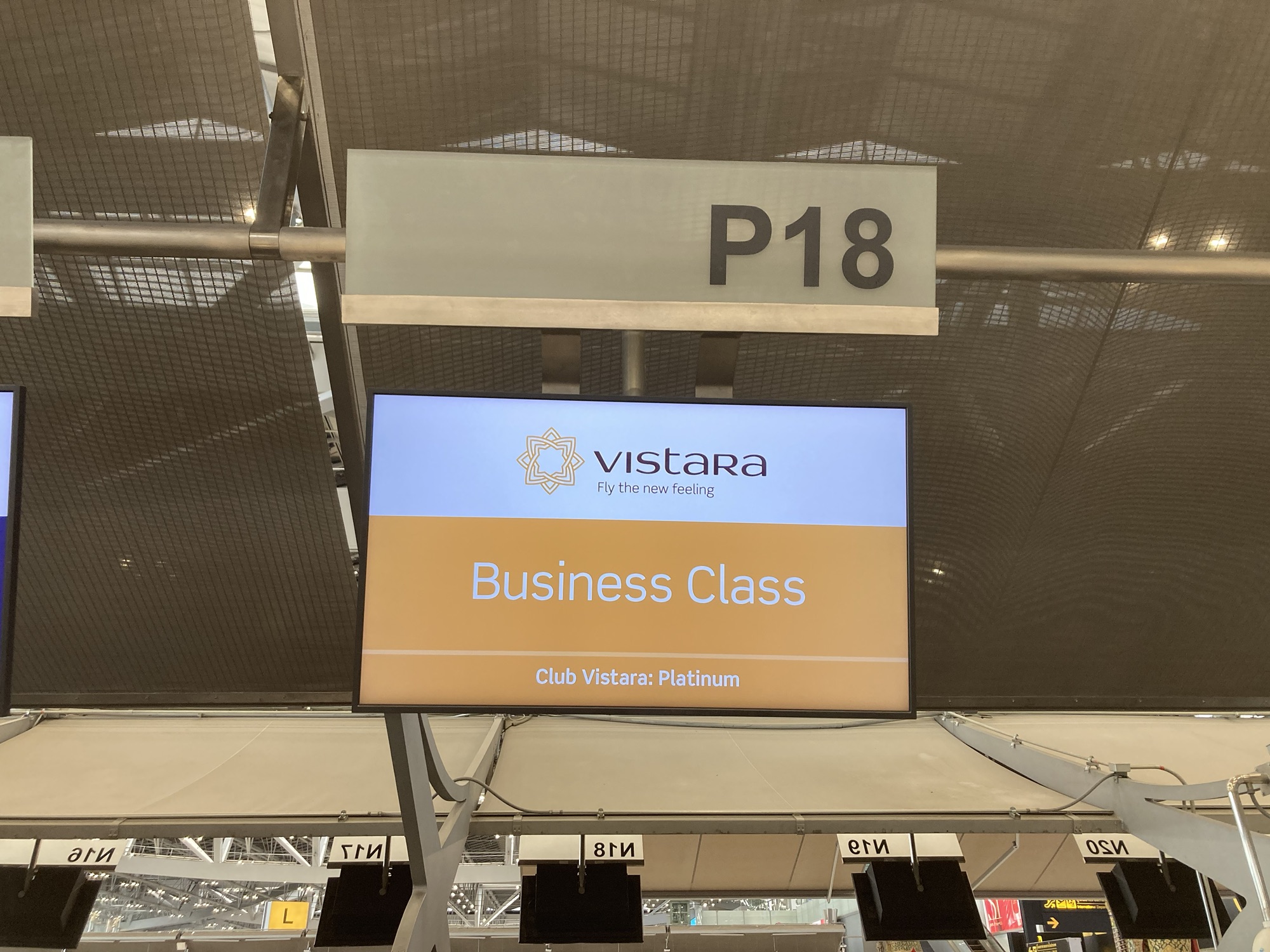
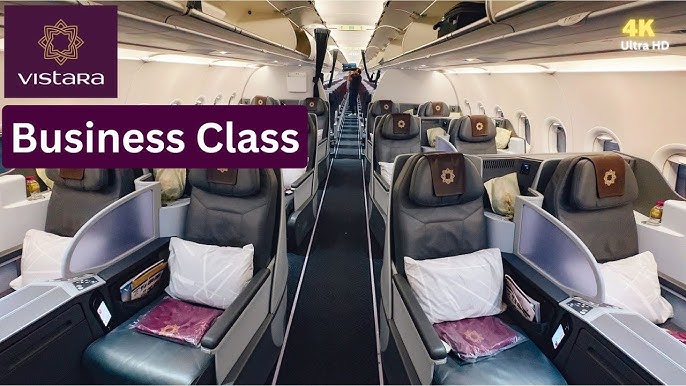
Air Vistara Business Class 

Bangkok – Mumbai. A320N

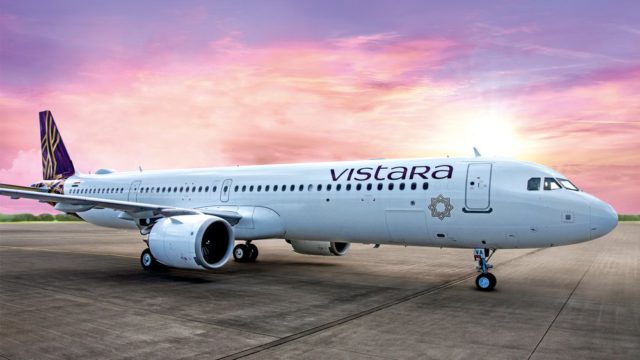
Delhi – Bangkok, A 321N

Vistara (Tata SIA Airlines) is an Indian based, full-service airline which commenced operations in 2015. The airline is a joint venture between Tata Group and Singapore Airlines who own 51% and 49% respectively. The name “Vistara” was taken from the Sanskrit word “Vistãra” meaning “limitless expanse”.
After the acquisition of Air India by the Tata Group in 2022, the Competition Commission of India approved a merger of Vistara and Air India in September 2023.

I checked-in online and after uploading my Indian visa confirmation I was issued an electronic boarding pass. Bag drop at the airport was a matter of a few seconds and I was off to the Lounge (Miracle at Suvarnabhumi Airport)

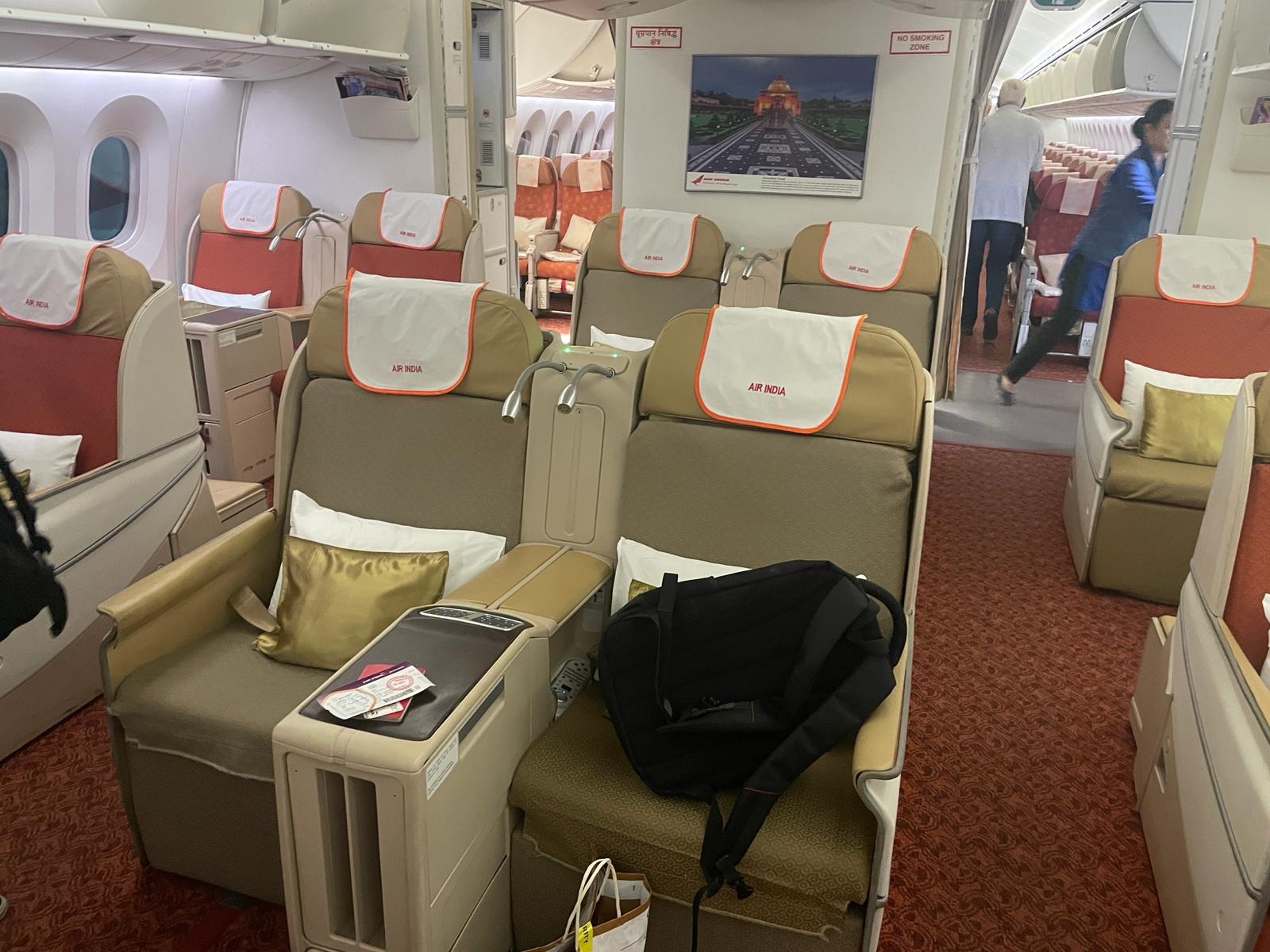
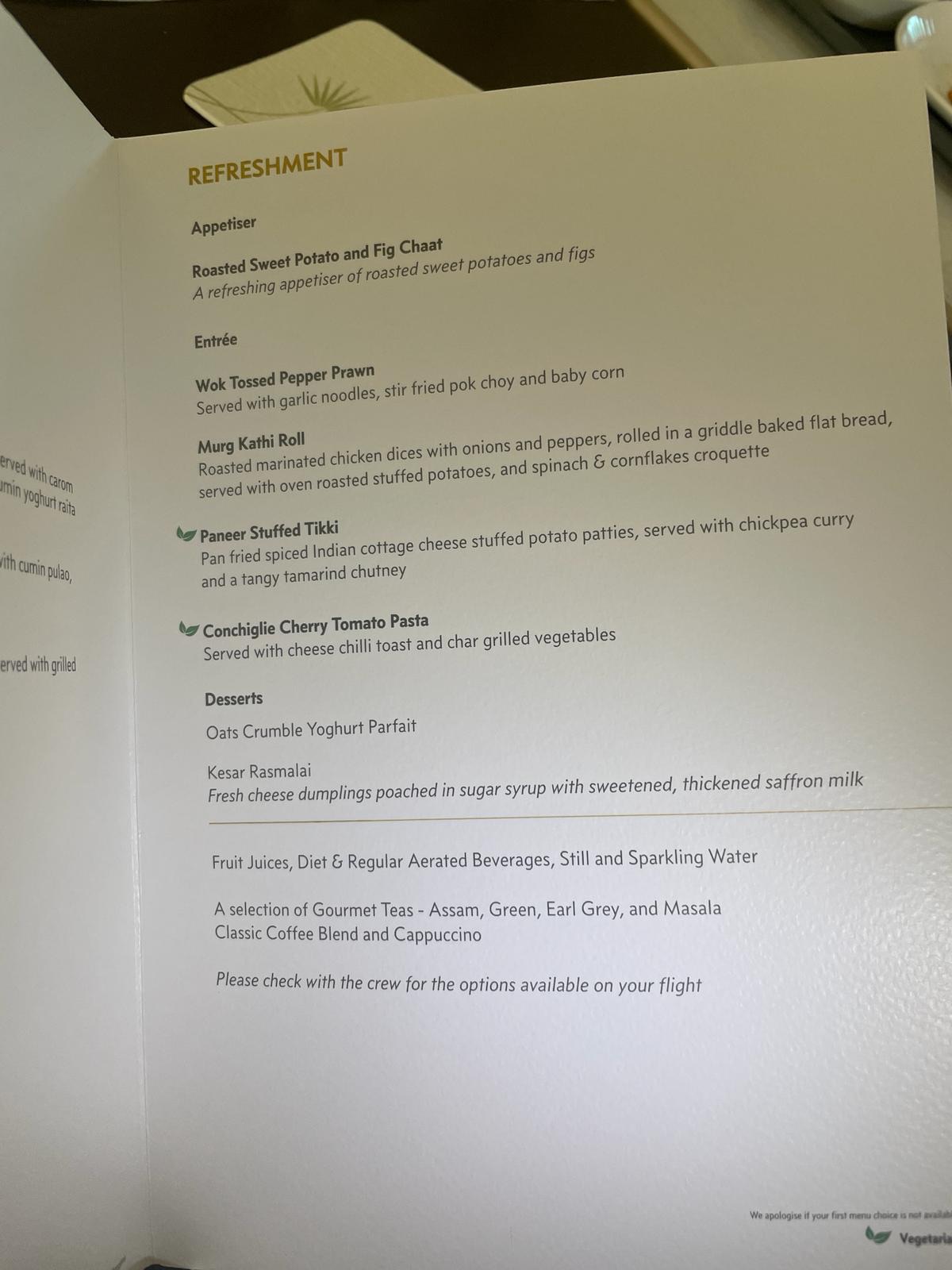
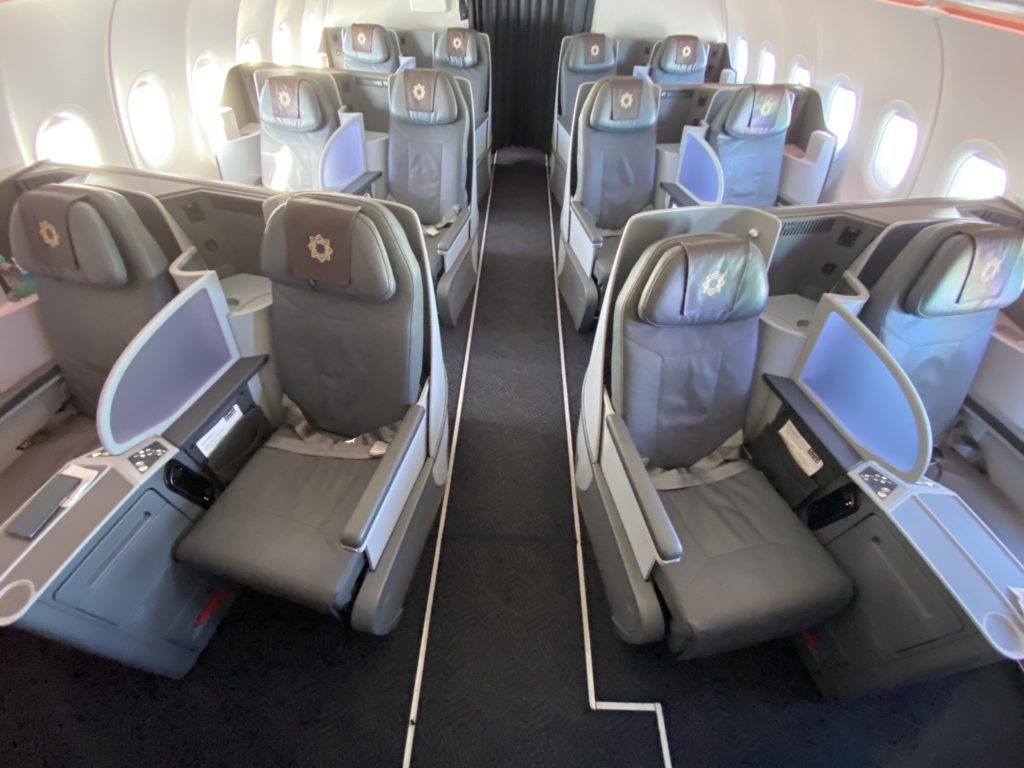
This was a single aisle A320 with a separate business class cabin of 8 seats. I was greeted by a friendly cabin crew member who introduced herself and offered a welcome drink and a cold refreshing towel. Later the purser introduced himself too and menu cards were distributed.

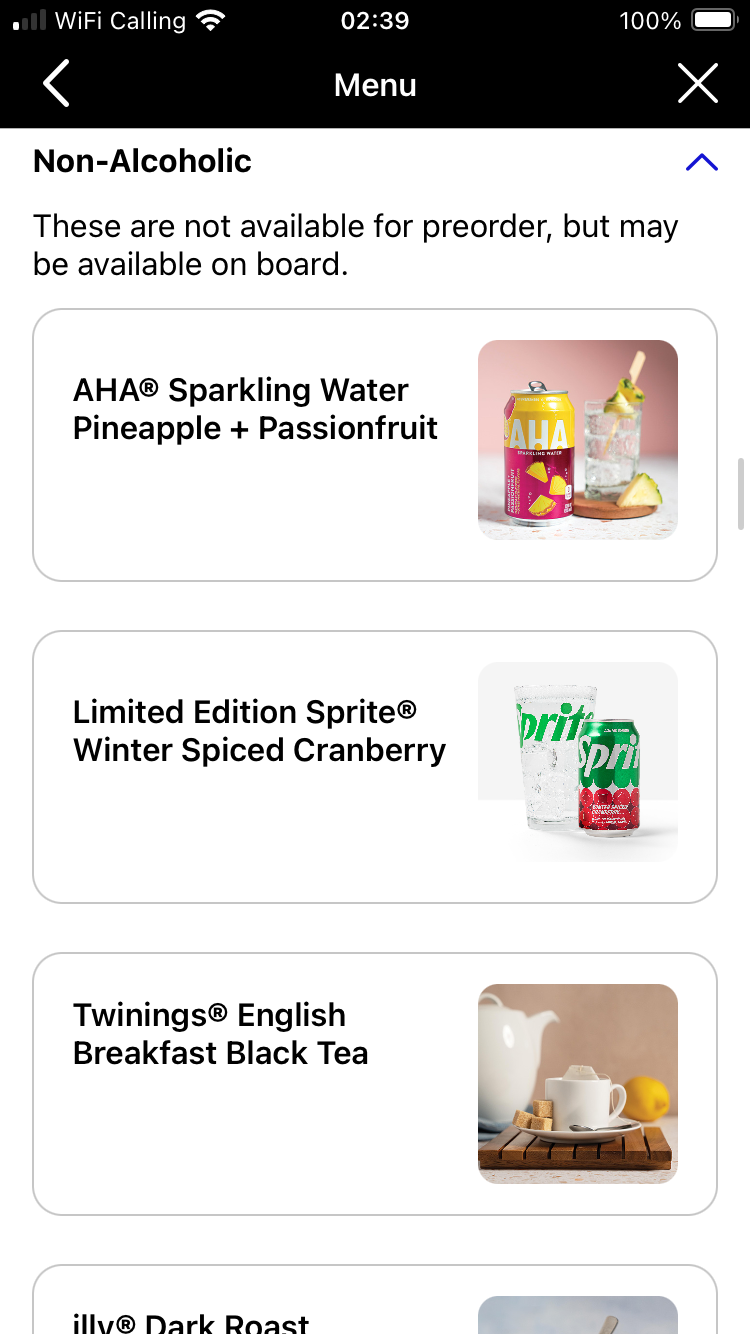
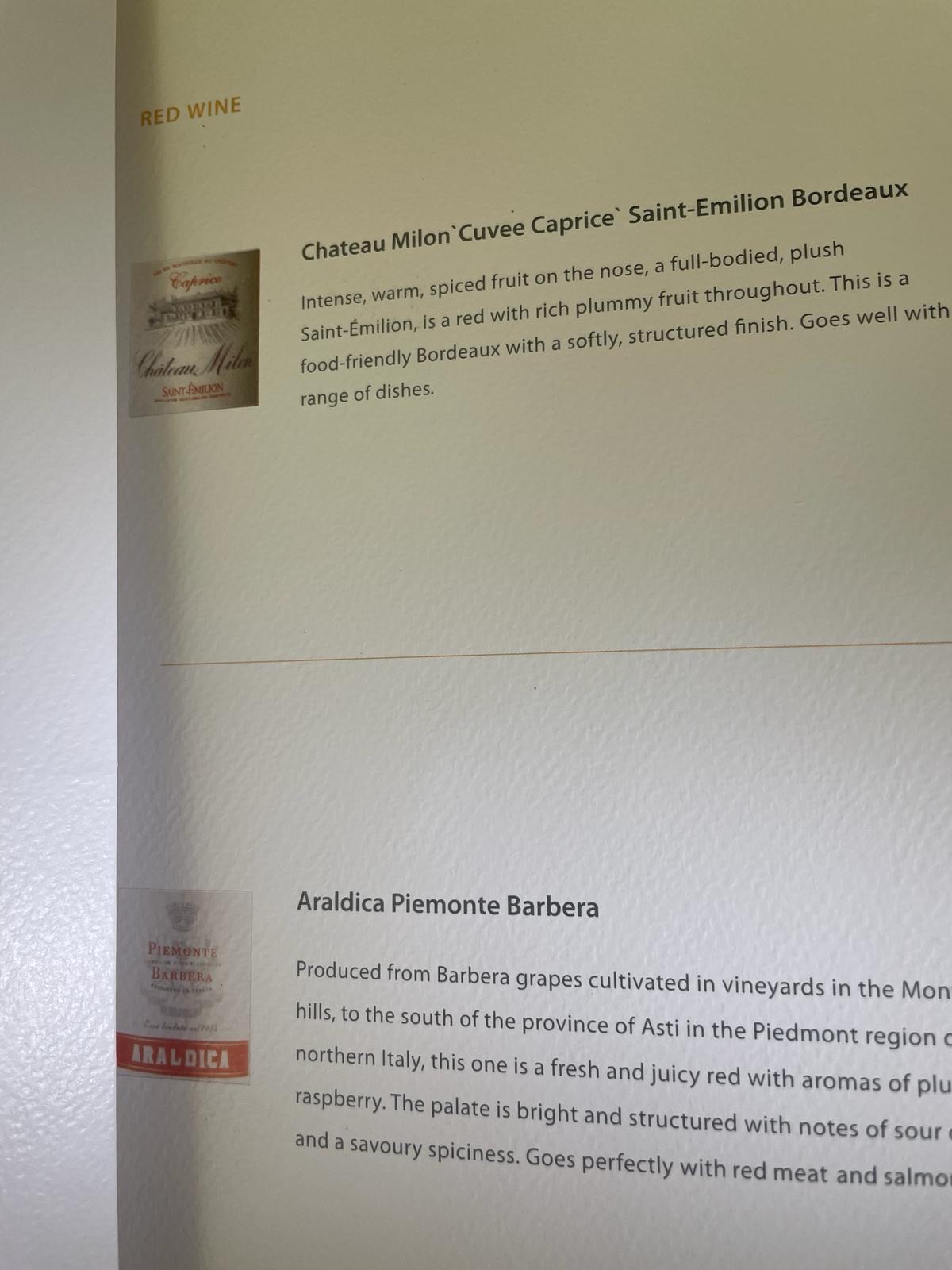
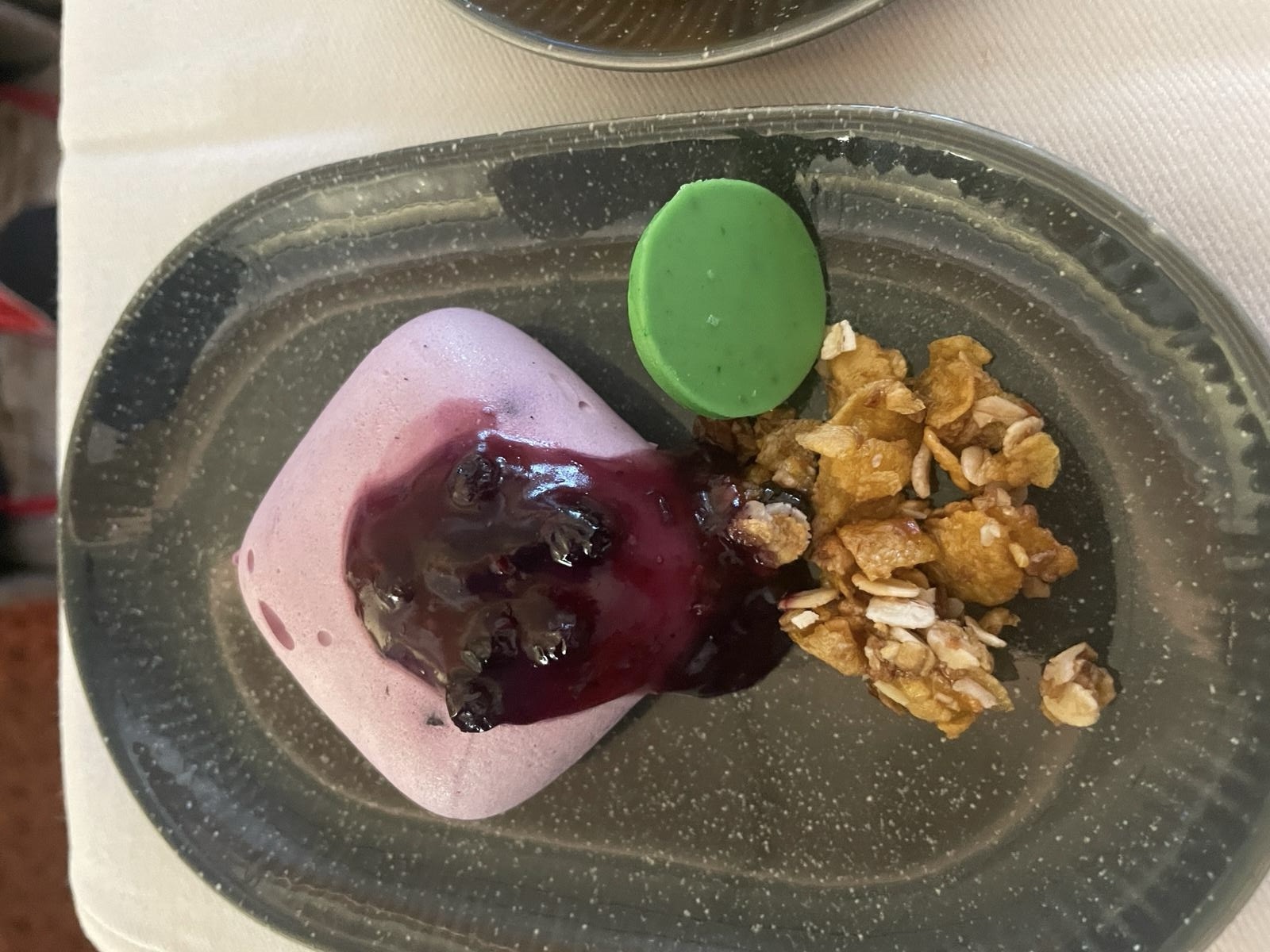
Soon after take-off the first round of drinks were served, followed by a full course meal including dessert and separate coffee/tea service featuring Starbucks brew.More drinks were served later in the flight.

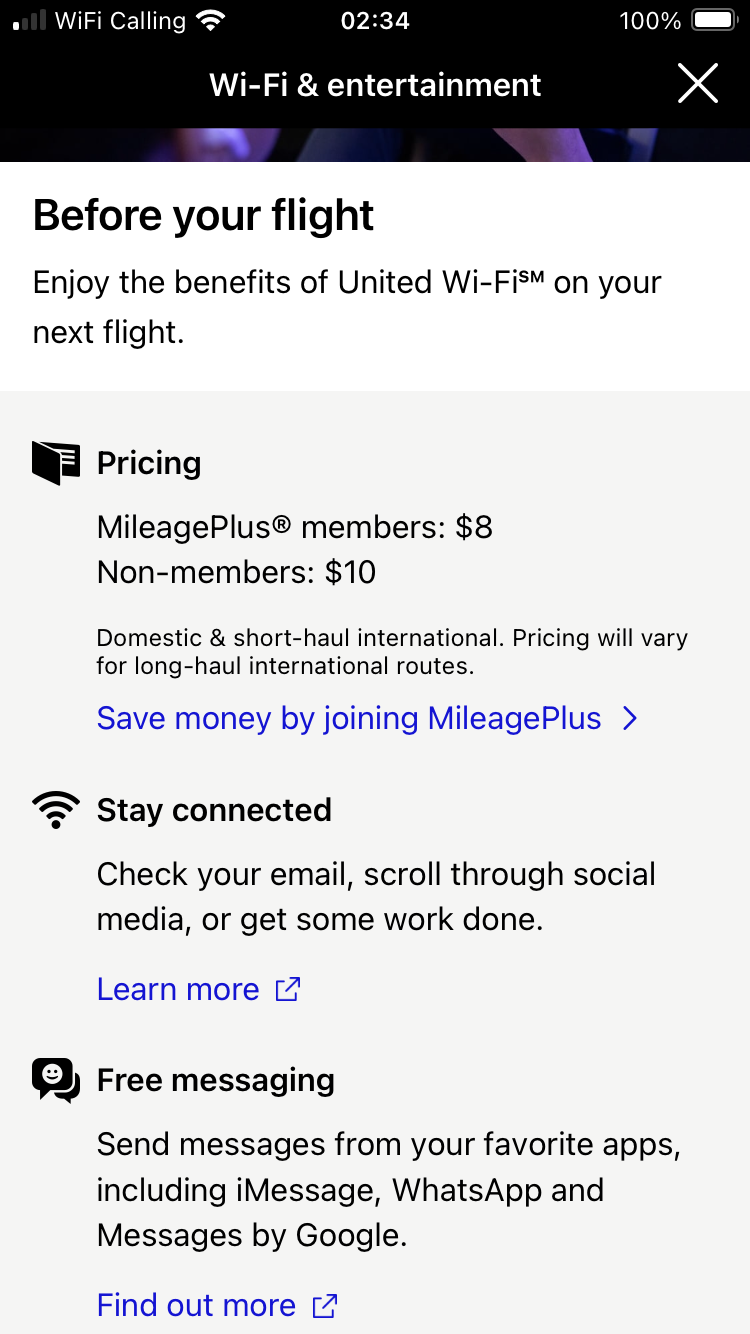
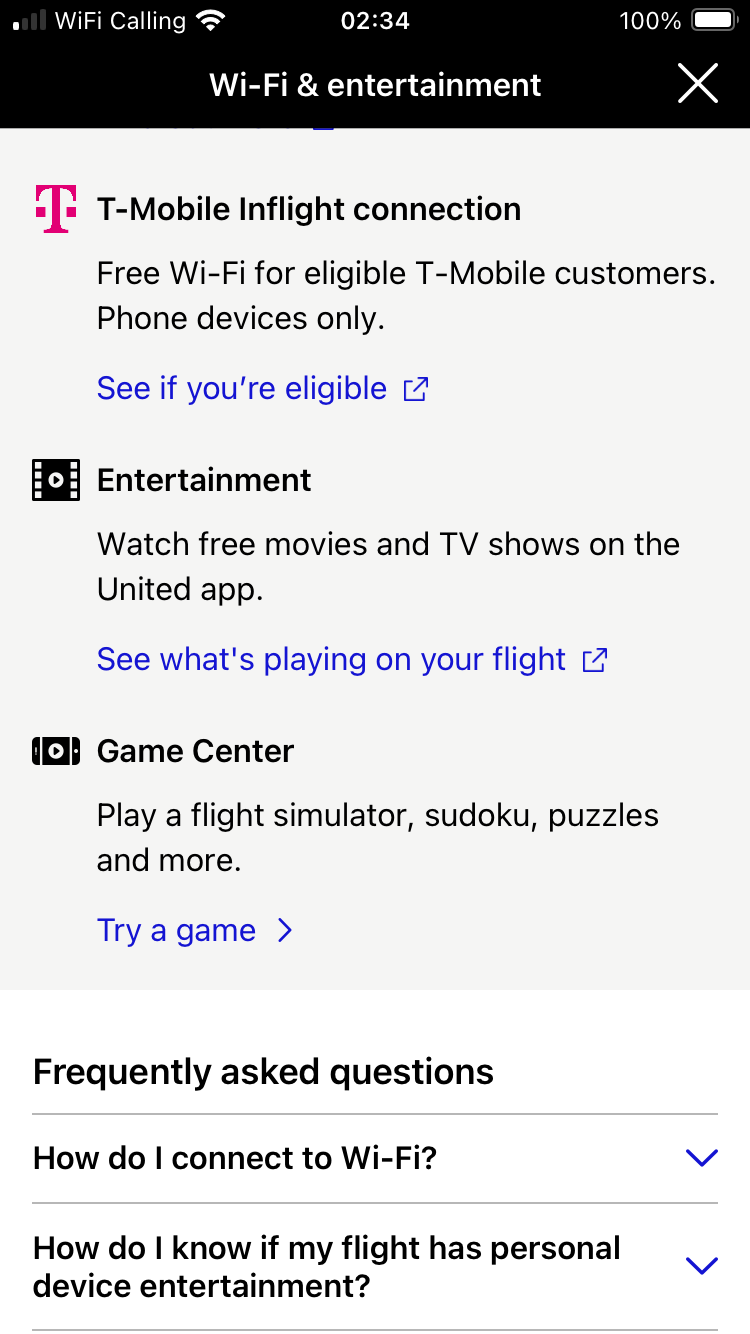
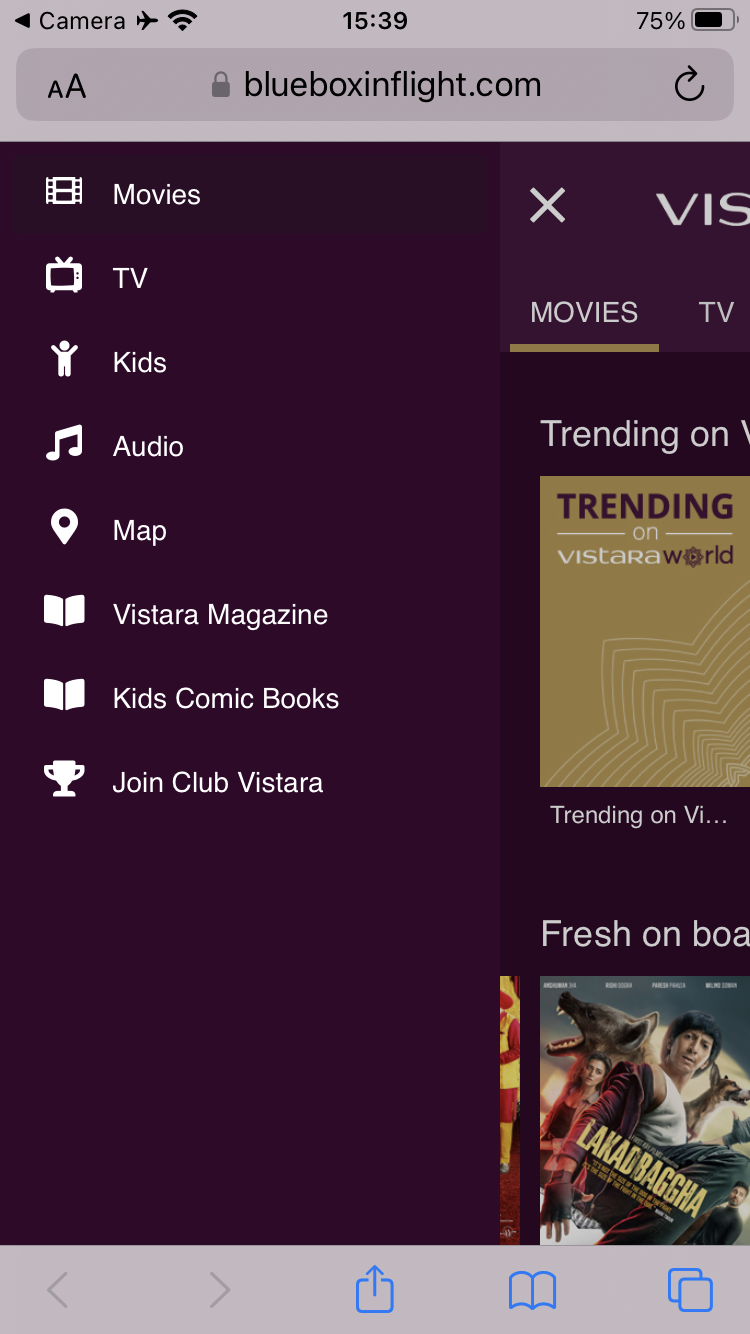
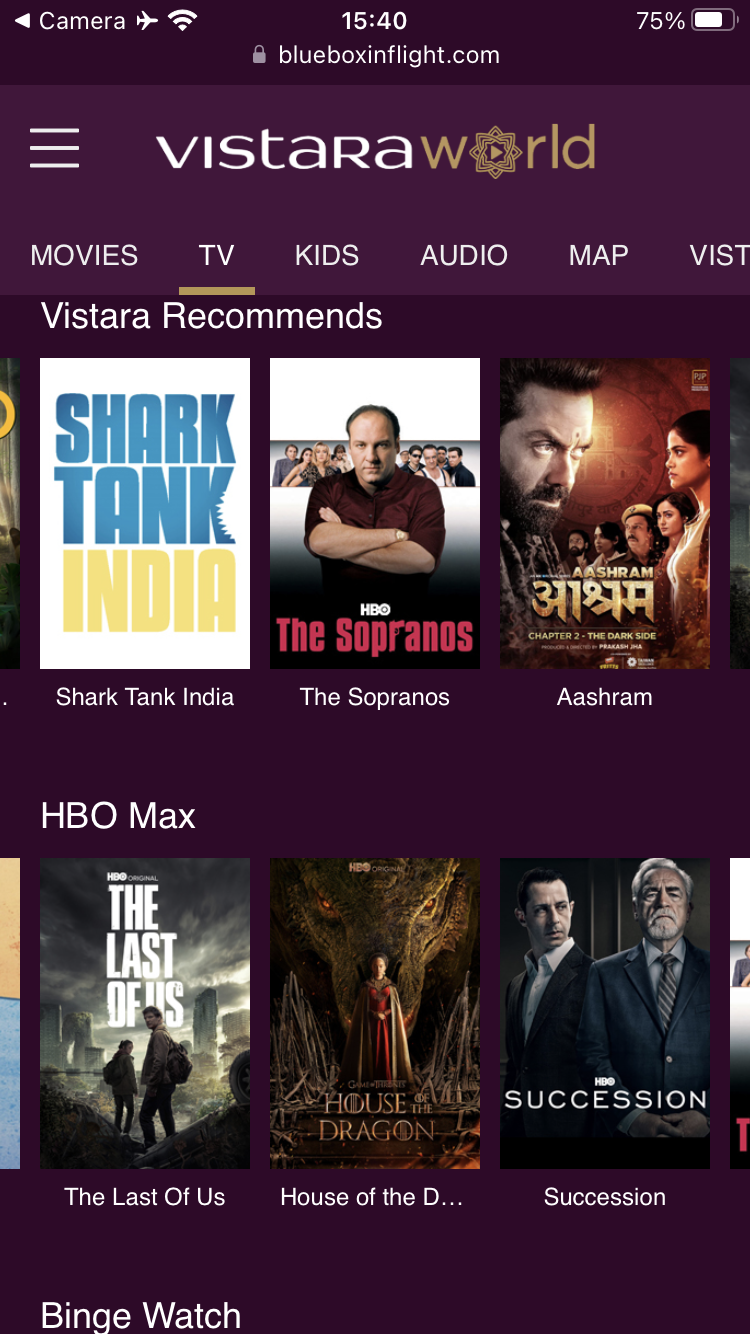
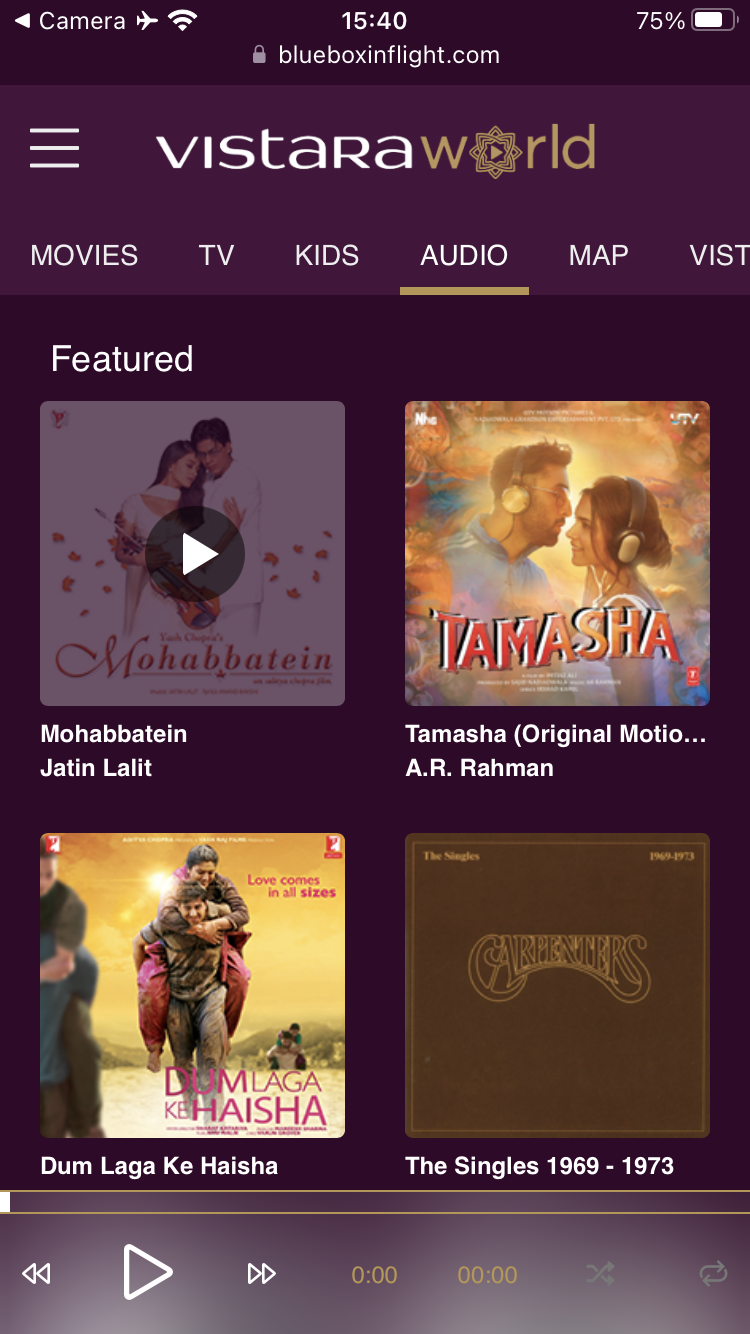
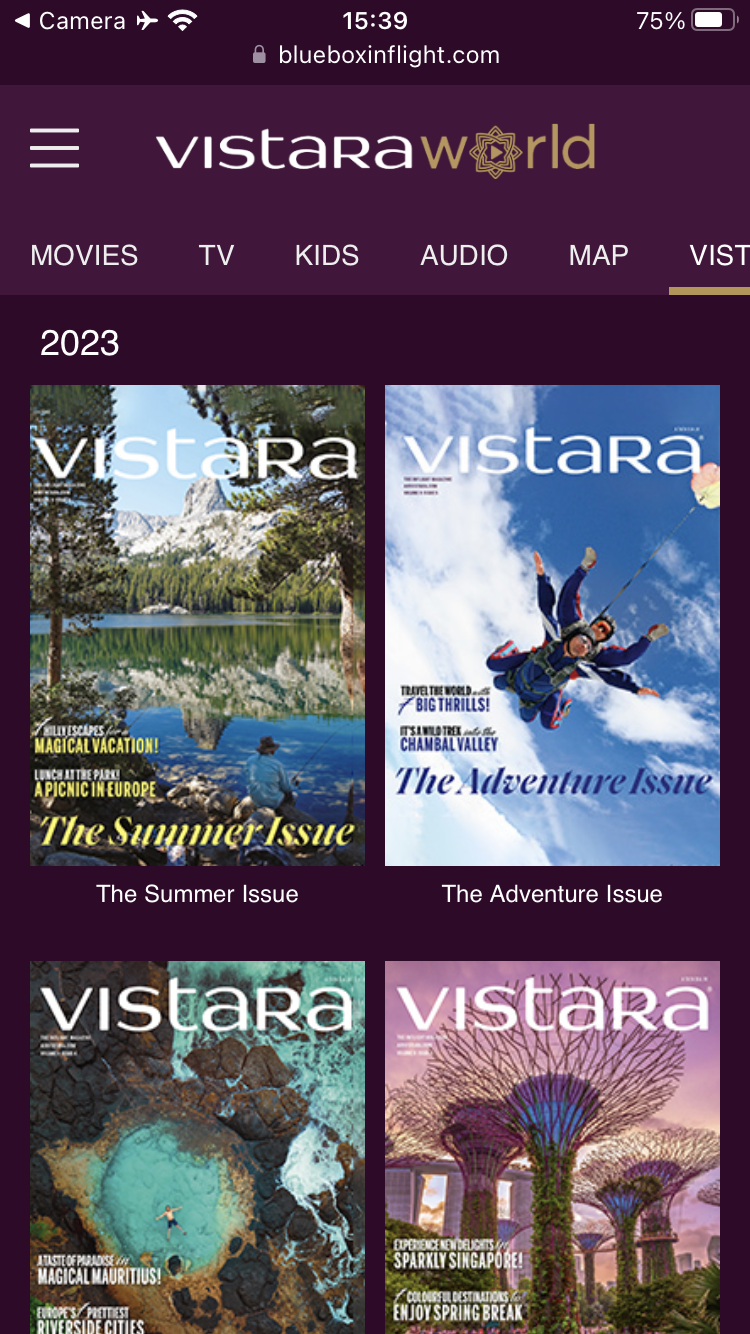
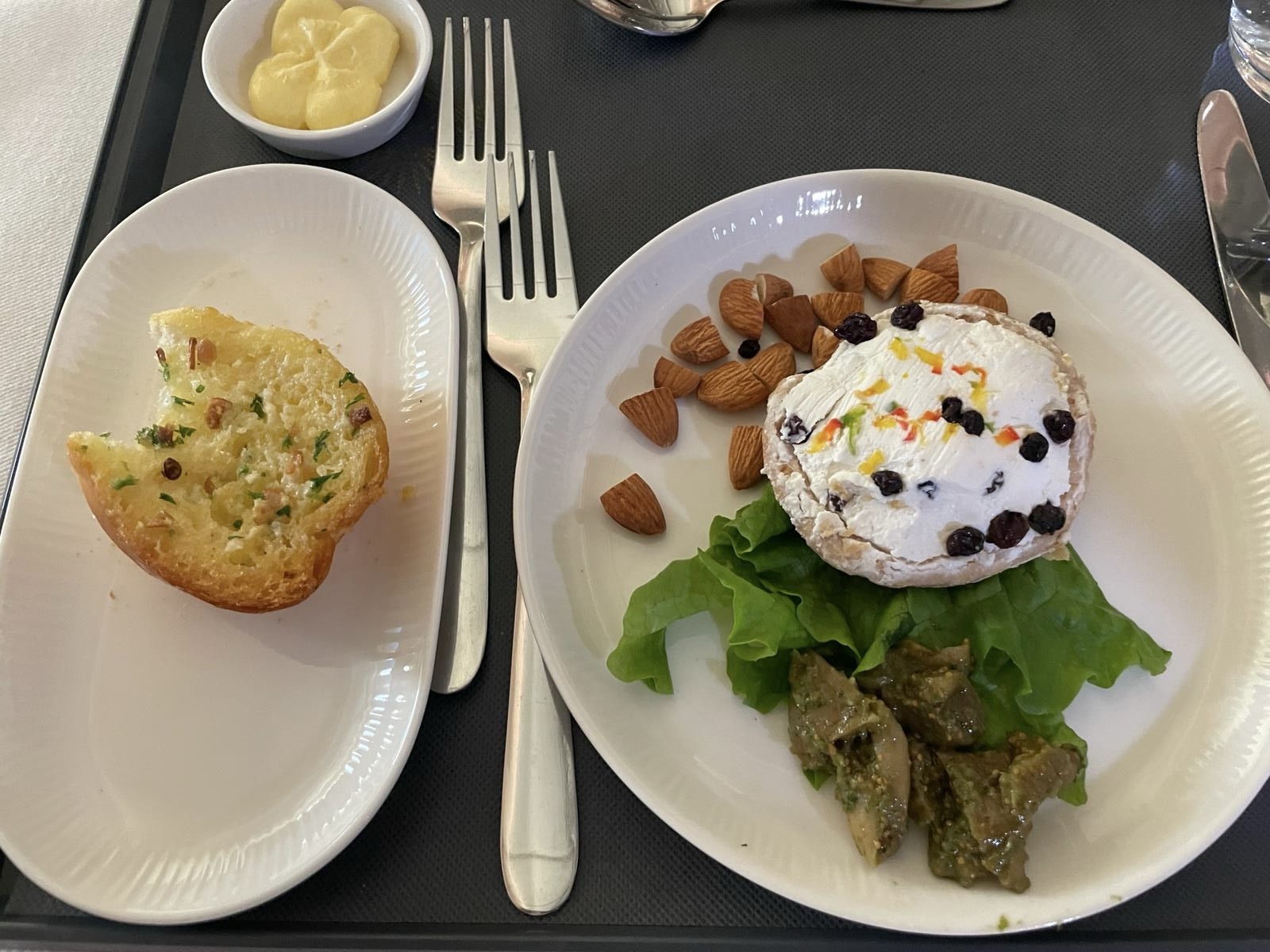
The meal was nicely presented and tasted fine. Customs forms were handed out well ahead of landing so passengers could take a little rest. There is wifi availble for using the Vistara Channels, Inflight maps and their entertainment program.

I found this flight and airline a very pleasant experience. Everything worked well and the crew was friendly and courteous. Bags were delivered swiftly at Mumbai airport and as there was no queue at the E-visa zone for foreigners, I was out of the airport within approx 30 minutes.

Vistara also operates some flights to Europe but the outcome of the merger with Air India leaves many questions open for the near future of this emerging airline.

I can highly recommend Vistara and would fly again with them with much pleasure.
Flight Check:

UK121 DEL-BKK, A321Neo, Configuration:  12 – 24 – 152 (Business, Premium Economy and Economy)

Check-in: 4/5 ****
Boarding: 5/5 *****
Inflight Service: 4/5 ****
Food and Beverage: 4/5 ****
Cabin Crew: 4/5 ****
Comfort: 5/5 *****

Impressions:
I checked-in online via the Vistara app and it worked well. Baggage drop off was fast at DEL Airport as there was no line for the Business Class section. However, staff did not mention lounge access or Fast Track Security/Immigration. The lounge was Air India which I wrote about in a separate review. The Fast Track Security Immigration on the left of Delhi Airport T3, far away from Vistara Check-in but worth the walk as this airport can get crowed. Smooth and fast processing at fast track counters.
Boarding took place according to passenger priority printed on the boarding pass, and was smooth.

The Airbus 321 Neo aircraft was equipped with 12 lie-flat seats which were very comfortable (2 -2). The flight time was around 3:30 hours and it left time to relax after the meal service. Vistara offers inflight Wifi for a fee, or passengers can watch their entertainment on their own device for free.
Food quality and taste was excellent and the cabin crew was pleasant and attentive in a friendly way.
I find this airline really great and it offers good value for money.

https://www.airvistara.com/th/en